In today’s fast‑paced world, sporty design for an active lifestyle has become more than a trend—it is a necessity. Modern consumers are no longer satisfied with products that look good but fail to perform. They demand designs that support movement, enhance comfort, and seamlessly adapt to daily activities. From apparel and footwear to accessories and urban spaces, sporty design represents a perfect balance between functionality, durability, and aesthetics.
This article explores the key elements of sporty design, its benefits, and why it plays a crucial role in supporting an active and healthy lifestyle.
What Is Sporty Design?
Sporty design refers to a design approach inspired by sports, fitness, and physical activity. It emphasizes performance, flexibility, and efficiency while maintaining a modern and stylish appearance. Unlike traditional athletic wear that focuses solely on function, sporty design integrates lifestyle elements, making products suitable for both workouts and everyday use.
Whether it is a pair of breathable sneakers, moisture‑wicking activewear, or ergonomically designed accessories, sporty design is built to move with the body and adapt to various environments.
Key Characteristics of Sporty Design for an Active Lifestyle
1. Functional Performance
At the heart of sporty design is performance. Every detail serves a purpose. Stretchable fabrics allow unrestricted movement, lightweight materials reduce fatigue, and ergonomic structures support natural body motion. These features are essential for individuals who lead active lifestyles, whether they are athletes, fitness enthusiasts, or urban commuters.
2. Comfort and Breathability
Comfort is a defining factor in sporty design. Advanced textile technologies such as moisture‑wicking fabrics, breathable mesh panels, and temperature‑regulating materials help keep the body cool and dry. This ensures long‑lasting comfort during workouts and throughout the day.
3. Minimalist and Dynamic Aesthetics
Sporty design often features clean lines, streamlined silhouettes, and dynamic shapes that reflect movement and energy. Neutral color palettes like black, gray, and white are frequently combined with bold accent colors such as neon green, electric blue, or vibrant red. The result is a modern, energetic look that appeals to active individuals.
4. Durability and Quality
An active lifestyle demands products that can withstand frequent use and challenging conditions. Sporty design prioritizes durability through reinforced stitching, abrasion‑resistant fabrics, and high‑quality construction. This not only extends product lifespan but also provides better value for consumers.
5. Versatility and Lifestyle Integration
One of the biggest advantages of sporty design is versatility. Products are designed to transition seamlessly from the gym to casual outings or even work environments. This adaptability makes sporty design ideal for people who value efficiency and simplicity in their daily routines.
Benefits of Sporty Design for an Active Lifestyle
Enhanced Mobility and Freedom
Sporty design supports natural body movement, reducing restrictions and discomfort. This allows users to perform better during physical activities and remain comfortable during everyday tasks.
Improved Health and Motivation
Wearing well‑designed sporty products can boost motivation to stay active. When clothing and accessories feel comfortable and look stylish, individuals are more likely to maintain consistent fitness routines and healthy habits.
Time‑Saving and Practical
Versatile sporty designs eliminate the need for multiple outfit changes throughout the day. A single outfit can serve multiple purposes, saving time and simplifying daily planning.
Confidence and Style
Sporty design enhances confidence by combining performance with fashion. Modern designs help individuals look energetic, confident, and ready for action, regardless of the setting.
Sporty Design in Different Areas of Life
Sporty Apparel
Activewear is the most recognizable form of sporty design. From compression leggings and breathable t‑shirts to lightweight jackets, sporty apparel is designed to support movement, regulate temperature, and provide all‑day comfort.
Sporty Footwear
Sporty footwear focuses on cushioning, stability, and flexibility. Features such as shock‑absorbing soles, breathable uppers, and ergonomic designs make sporty shoes suitable for running, training, and daily walking.
Accessories and Gear
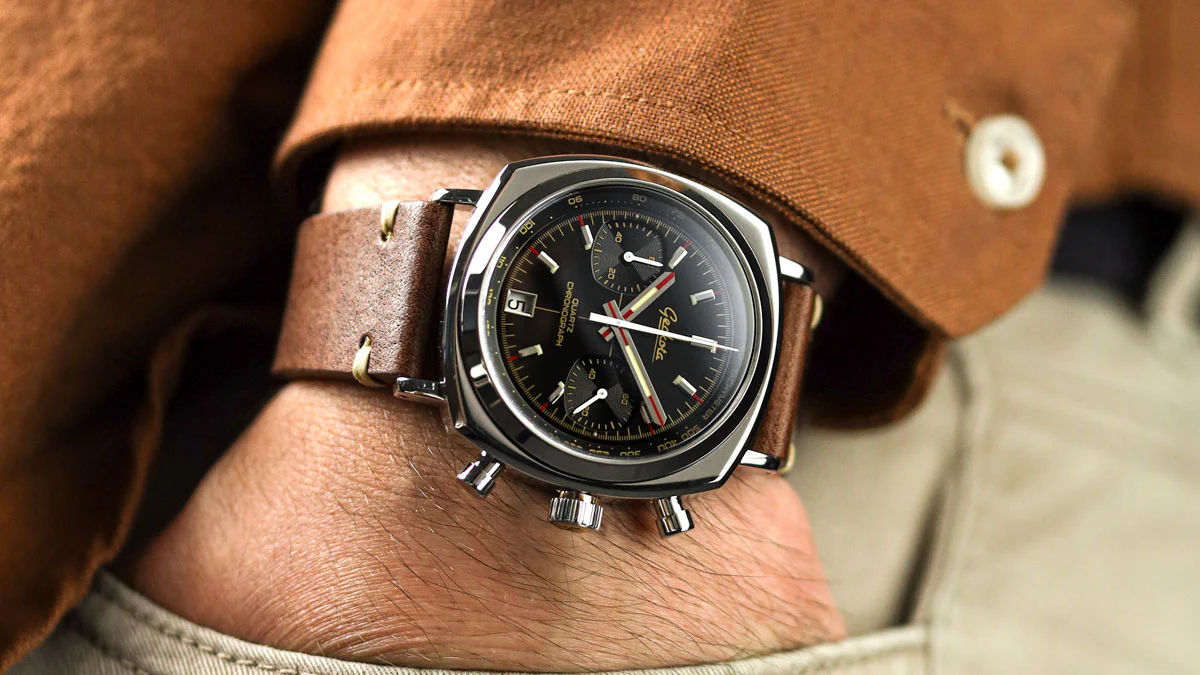
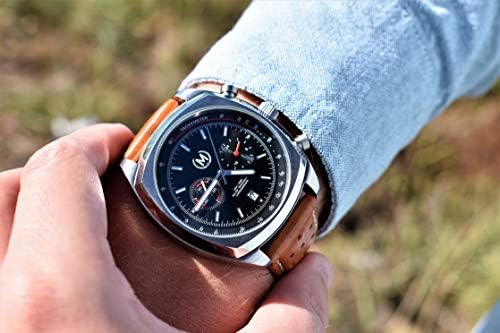
Backpacks, smartwatches, caps, and sunglasses also benefit from sporty design. Lightweight materials, water‑resistant finishes, and ergonomic shapes enhance usability while maintaining a modern appearance.
Urban and Interior Design
Sporty design is increasingly influencing architecture and interior spaces. Open layouts, functional furniture, and active‑inspired aesthetics promote movement, productivity, and overall well‑being.
Sustainability in Sporty Design
Sustainability is becoming an important aspect of sporty design for an active lifestyle. Many brands now use recycled materials, eco‑friendly production methods, and durable designs that reduce waste. Sustainable sporty design not only supports physical health but also contributes to environmental responsibility.
Why Sporty Design Is the Future
As more people prioritize health, fitness, and mobility, the demand for sporty design continues to grow. Remote work, urban living, and flexible lifestyles have blurred the lines between work, exercise, and leisure. Sporty design meets these evolving needs by offering solutions that are practical, stylish, and performance‑driven.
Brands that invest in sporty design gain a competitive advantage by appealing to modern consumers who value comfort, functionality, and aesthetics equally.
Conclusion
Sporty design for an active lifestyle represents the perfect fusion of performance and style. By focusing on comfort, durability, versatility, and modern aesthetics, sporty design supports healthy living and adapts to the demands of everyday life. Whether in fashion, footwear, accessories, or living spaces, sporty design empowers individuals to stay active, confident, and ready for any challenge.
In a world where movement is essential, sporty design is not just a choice—it is a lifestyle.