In the dynamic world of horology, where tradition often dances with innovation, the Solar Chronograph Watch stands out as a true marvel. It’s a timepiece that not only captures fleeting moments with impressive precision but does so powered by the most abundant energy source available: light itself. For enthusiasts and newcomers alike, understanding this blend of sophisticated stopwatch functionality and eco-conscious energy is key to appreciating its enduring appeal.
The Evolution of Timekeeping: From Mechanical Marvels to Luminous Innovations
The chronograph, first patented in 1816, began its journey as a purely mechanical instrument designed to measure elapsed time. Its intricate gears, springs, and levers represented the pinnacle of human ingenuity, allowing us to quantify races, scientific experiments, and critical events with previously unheard-of accuracy. However, this mechanical complexity often meant meticulous winding and delicate care.
The advent of quartz movements in the 20th century revolutionized precision, offering unparalleled accuracy with minimal fuss, but still relied on disposable batteries. The real game-changer for sustainability in chronographs arrived with solar technology, starting with early light-powered watches in the 1970s. This marked a pivotal shift, merging the reliable accuracy of quartz with an almost inexhaustible power source. Brands like Citizen, with their pioneering Eco-Drive, and Seiko, with their robust Solar movements, led the charge, forever changing what we expect from a high-performance timepiece.
How a Solar Chronograph Watch Works: The Heart of Eco-Precision
At its core, a solar chronograph watch operates on a principle as elegant as it is effective: converting light into power. It’s a sophisticated system that quietly works behind the scenes to keep your watch running flawlessly, year after year.
Imagine a tiny, high-tech power plant hidden within your watch. This “plant” starts with discreet solar cells, often nestled beneath a semi-transparent dial, or sometimes integrated into the bezel. These cells are masters of absorption, capable of capturing energy from various light sources – be it direct sunlight, the gentle glow of a cloudy day, or even the artificial illumination of an office.
Once captured, this light energy is swiftly converted into electrical power. But where does it go? It’s not immediately used to run the watch; instead, it’s stored in a specialized, rechargeable battery, often referred to as a capacitor or power cell. This intelligent storage system is what gives solar chronographs their incredible longevity and reliability. When fully charged, many modern solar chronographs can continue to function for months, or even up to a year, in complete darkness. Some exceptional models boast power reserves of up to five years, thanks to sophisticated power-saving modes that kick in when the watch is not exposed to light.
This stored energy then powers the watch’s quartz movement, known for its exceptional accuracy. Unlike traditional mechanical chronographs that require winding, or standard quartz watches that need periodic battery replacements, a solar chronograph continually recharges itself, offering a truly “set it and forget it” experience. As Dr. Eleanor Vance, a leading horological engineer, once observed, “Solar chronographs represent a beautiful synergy of traditional watchmaking and cutting-edge renewable energy, offering both convenience and a reduced environmental footprint.”
Beyond the Battery: The Advantages of Owning a Solar Chronograph
The appeal of a solar chronograph watch extends far beyond its innovative power source. These timepieces offer a host of practical and ethical advantages that make them a compelling choice for any watch enthusiast.
- Unmatched Eco-Friendliness: This is perhaps the most significant draw. By harnessing renewable energy, solar chronographs drastically reduce your carbon footprint. You eliminate the need for countless disposable batteries, which often end up in landfills, contributing to electronic waste. It’s a small change with a surprisingly large positive environmental impact.
- Remarkably Low Maintenance: Say goodbye to those routine trips to the jeweler for battery changes. The rechargeable power cells in solar watches are designed for extreme longevity, often lasting between 7 and 12 years, or even longer (some brands claim 10-20+ years). This translates to less hassle and more uninterrupted enjoyment of your timepiece.
- Pinpoint Accuracy: Inheriting the best traits of quartz technology, solar chronographs deliver superior timekeeping accuracy. Many models are accurate to within seconds per month, outperforming most mechanical movements. Furthermore, advanced solar chronographs can integrate features like GPS or atomic timekeeping, pushing their precision to near-perfect levels.
- Built for Durability and Reliability: Because the watch case rarely needs to be opened for battery replacement, the integrity of its water-resistant seals is better preserved over time. Many solar models are also constructed with robust materials to protect their internal solar cells and movements, contributing to their overall resilience. The continuous power supply also ensures consistent, reliable operation.
- Enhanced Functionality: The virtually inexhaustible power source of a solar movement allows manufacturers to integrate more energy-intensive features without compromising battery life. This can include advanced complications like perpetual calendars, multiple time zones, radio control, or even Bluetooth connectivity in hybrid smartwatch models.
While the initial investment in a solar chronograph watch might sometimes be slightly higher than a conventional quartz counterpart, the long-term savings on battery replacements and the environmental benefits often outweigh this cost. The minimal dependence on constant bright light is also a minor consideration, as modern solar cells can charge effectively even from dim indoor lighting.
Finding Your Perfect Match: Popular Solar Chronograph Brands and Models
The market for solar chronograph watches is vibrant, with many renowned brands offering exceptional models that blend style, functionality, and sustainability. Whether you’re a professional seeking rugged reliability or a fashion-conscious individual looking for a statement piece, there’s a solar chronograph for you.
- Citizen (Eco-Drive): A pioneer in light-powered technology, Citizen’s Eco-Drive watches are synonymous with solar power. Their chronograph lines, such as the Promaster Skyhawk A-T, are celebrated for atomic timekeeping, intricate dials, and robust builds, often favored by pilots and adventurers. The Avion and Nighthawk series also offer compelling solar chronograph options with classic aesthetics.
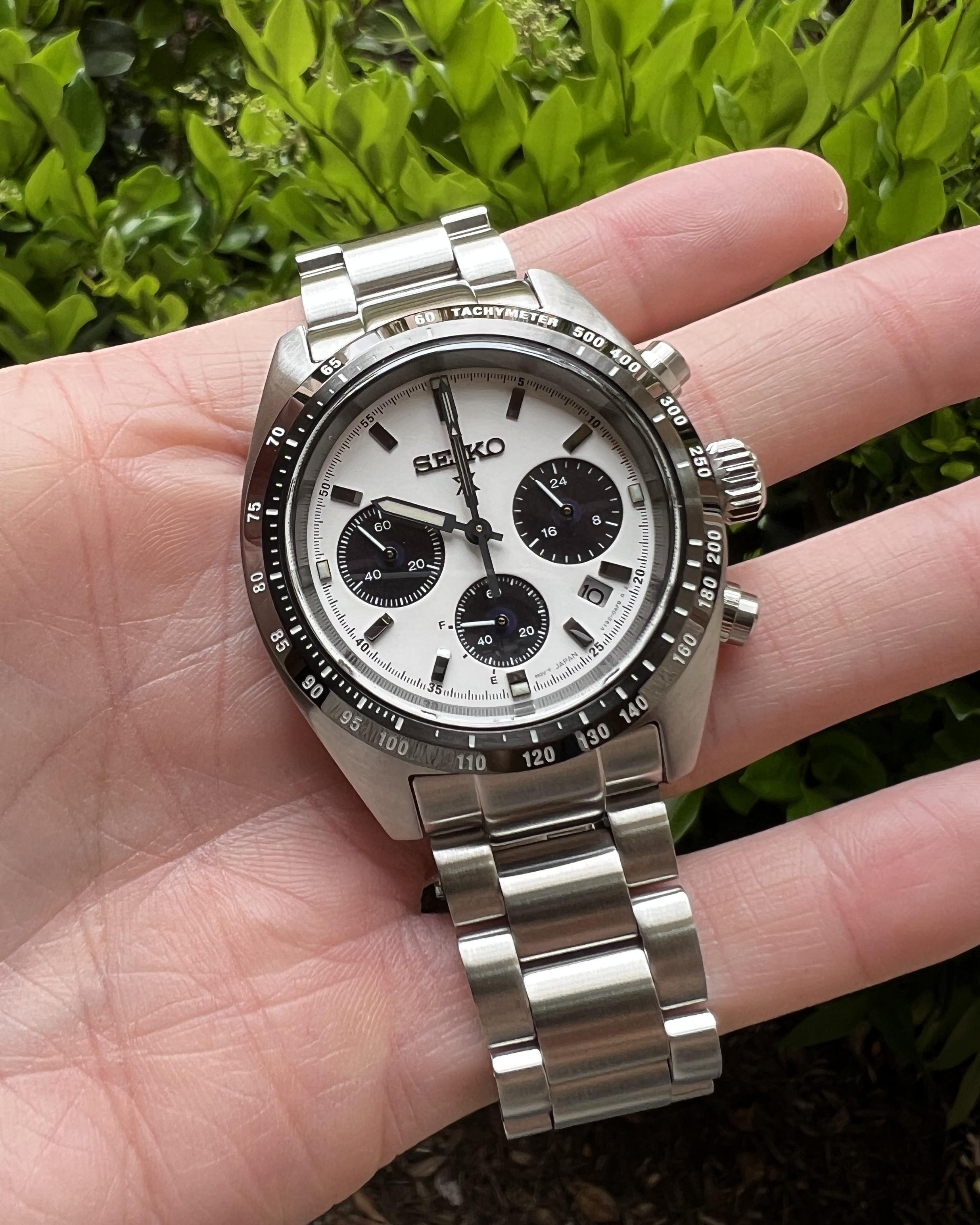
- Seiko (Solar & Prospex Speedtimer): Seiko has a long and storied history in chronographs, and their solar offerings continue this legacy. The Prospex Speedtimer Solar series is particularly popular, boasting vintage-inspired “panda” or “reverse panda” dials, precise 1/5-second chronographs, and a 6-month power reserve. The Seiko Astron GPS Solar models offer global timekeeping for the avid traveler, while the Prospex “Arnie” SNJ025 provides a rugged, tool-watch aesthetic with solar power.
- Casio (Tough Solar & G-Shock): Known for their indestructible G-Shock line, Casio integrates its “Tough Solar” technology into many of its chronographs. These watches are built for extreme durability and functionality, often featuring multiple sensors, world time, and atomic time synchronization, making them ideal for outdoor enthusiasts and tactical users.
- TAG Heuer (Aquaracer Professional 200 Solargraph): Stepping into the luxury segment, TAG Heuer’s Aquaracer Professional 200 Solargraph demonstrates that solar technology can coexist with high-end watchmaking. This model boasts a sophisticated solar-powered quartz movement (Caliber TH50-00), offering a sleek design, robust construction, and a power reserve of up to 10 months.
- Tissot (T-Touch Connect Solar): Tissot offers innovative hybrid models like the T-Touch Connect Solar, combining traditional watchmaking with smart functionalities. These chronographs feature titanium cases, touchscreen sapphire crystals, and comprehensive smart features, all powered by light.
- Other Notable Brands: Lorus (under Seiko), Bering, Orient, and Redwood also offer excellent solar chronograph options, often providing great value and distinctive designs.
When choosing, consider factors like case size, water resistance, specific chronograph functions (e.g., 1/5-second increments, tachymeter), additional features (GPS, perpetual calendar), and overall aesthetic to find a timepiece that truly resonates with your lifestyle.
Caring for Your Light-Powered Timepiece
One of the great joys of owning a solar chronograph watch is its minimal maintenance. However, a few simple habits can ensure your timepiece performs optimally for decades.
- Embrace the Light: The most important “maintenance” tip is to simply wear your watch regularly or keep it exposed to light when not in use. A windowsill, a desk lamp, or even ambient room light will keep it topped up. You don’t need intense direct sunlight constantly; regular, moderate exposure is usually sufficient.
- Avoid Prolonged Darkness: While solar watches have impressive power reserves, keeping them perpetually stored in a dark drawer for months or years can eventually deplete the rechargeable cell. If you have a collection, rotate your solar watches or place them in an area that gets natural light.
- Keep it Clean: Like any watch, a solar chronograph benefits from occasional cleaning. A soft cloth and mild soap (for water-resistant models) can keep the case and crystal sparkling, ensuring optimal light absorption through the dial.
- Professional Check-ups (Rarely): While battery changes are virtually eliminated, a watch may occasionally benefit from a professional check-up after many years to inspect seals or ensure the movement is running perfectly, especially if it’s an heirloom.
The Future of Chronographs: Sustainability Meets Style
The solar chronograph watch is more than just a time-telling device; it’s a statement. It speaks to a growing appreciation for sustainability, technological prowess, and enduring style. These watches seamlessly blend cutting-edge energy solutions with the timeless appeal of a functional complication, making them increasingly valuable in both personal collections and the broader market.
From robust sports models to elegant dress chronographs, the versatility of solar power means there’s a light-powered timepiece for every occasion. Pair a rugged solar chronograph with casual weekend wear for an adventurous vibe, or let a sleek, refined model elevate your business attire. Their diverse designs, combined with the inherent practicality of never needing a battery change, solidify their position as an intelligent and stylish choice.
The journey of the chronograph has always been one of innovation and precision. With the integration of solar technology, this iconic complication has found a new, luminous path forward, promising reliability, accuracy, and a lighter footprint on our planet. The solar chronograph watch is not just keeping time; it’s defining the future of responsible horology.
Frequently Asked Questions About Solar Chronograph Watches
Q1: What exactly is a solar chronograph watch?
A: A solar chronograph watch is a timepiece that combines the stopwatch function of a traditional chronograph with a movement powered by light. It uses solar cells to convert natural or artificial light into electrical energy, which is then stored in a rechargeable battery to run the watch.
Q2: How long does a solar chronograph watch run without light?
A: Most modern solar chronograph watches, once fully charged, can run for several months—typically 6 to 12 months—in complete darkness. Some models feature power-saving modes that can extend this reserve even further, sometimes up to five years.
Q3: Do I need direct sunlight to charge my solar chronograph?
A: No, direct sunlight is not strictly necessary. While direct sunlight charges the watch fastest, solar cells are highly efficient and can convert energy from various light sources, including overcast skies, indoor lighting, and even dim artificial light.
Q4: Are solar chronograph watches better for the environment?
A: Yes, solar chronograph watches are generally considered more eco-friendly than traditional battery-powered quartz watches. They significantly reduce electronic waste by eliminating the need for frequent disposable battery replacements, promoting a more sustainable approach to timekeeping.
Q5: What are the main advantages of a solar chronograph watch?
A: Key advantages include environmental sustainability (no disposable batteries), very low maintenance, high accuracy due to their quartz movement, and excellent reliability with long power reserves. They also retain water resistance longer as the case is rarely opened for servicing.
Q6: Can the rechargeable battery in a solar chronograph ever wear out?
A: While designed for extreme longevity, the rechargeable cell in a solar chronograph can eventually degrade after many years, typically 10 to 20+ years. When this happens, it can usually be replaced by a professional watchmaker, extending the life of the watch even further.