Stepping into the world of horology, one quickly encounters the Mechanical Chronograph Watch, a true marvel of miniature engineering. More than just a device to tell time, it’s a sophisticated instrument that allows you to measure elapsed periods with precision, all powered by an intricate symphony of gears and springs. For enthusiasts and casual observers alike, there’s an undeniable charm in watching the hands of a mechanical chronograph leap into action, pausing, and resetting with a satisfying click, a testament to centuries of watchmaking innovation. This isn’t just a timekeeper; it’s a conversation starter, a piece of history, and a loyal companion for life’s measured moments.
A Journey Through Time: The Rich History of the Chronograph
The story of the chronograph is deeply intertwined with humanity’s desire to measure time with ever-increasing accuracy. While its exact origins are debated, the first patented “chronograph” was created by Nicolas Mathieu Rieussec in 1821 for King Louis XVIII to time horse races. It literally “wrote time” by marking ink drops on a rotating dial. Early chronographs were crucial tools for astronomers, military strategists, and scientists, allowing them to precisely track celestial events, artillery fire, or laboratory experiments.
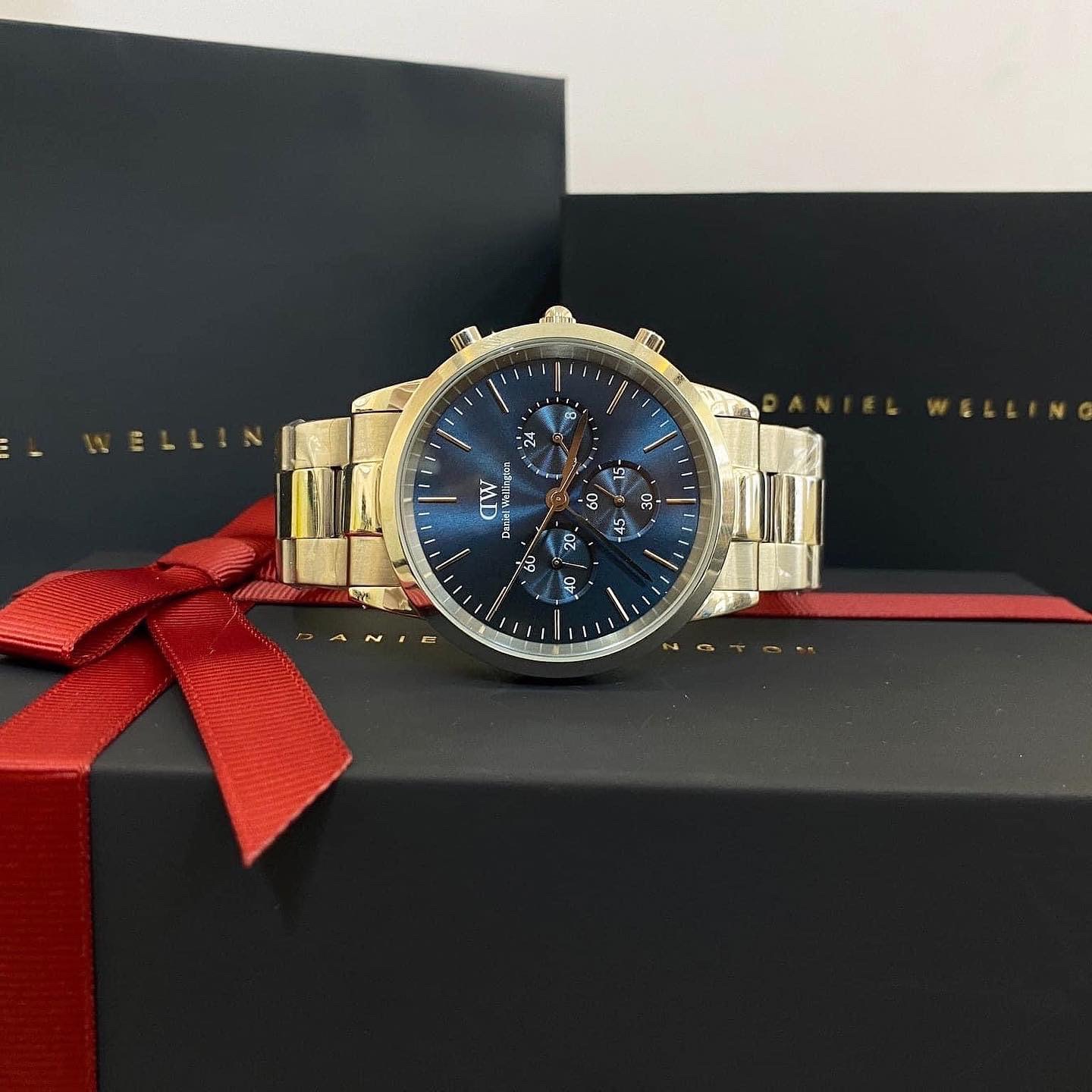
The transition from large, stationary instruments to portable pocket watches and then to wristwatches marked a significant evolution. By the early 20th century, brands like Longines and Breitling were pioneering wrist-worn chronographs, making them indispensable for pilots, race car drivers, and explorers. The year 1969 was a watershed moment, often referred to as the “Chronograph Wars,” when three distinct groups (Zenith with its El Primero, a consortium of Heuer/Buren/Dubois Dépraz/Breitling, and Seiko) independently unveiled the first automatic mechanical chronograph watch movements, revolutionizing their accessibility and convenience.
Unveiling the Heartbeat: How a Mechanical Chronograph Works
At its core, a mechanical chronograph watch is a standard mechanical watch with an added complication – the stopwatch function. This complication is a separate, yet integrated, mechanism comprising hundreds of tiny components that work in perfect harmony. When you press a pusher, you initiate a complex dance of levers, wheels, and springs that engage the chronograph’s timing train with the watch’s main timekeeping engine, allowing a dedicated seconds hand, and often minute and hour registers, to track elapsed time. Press it again, and the measurement pauses; a third press typically resets all the chronograph hands instantly to zero.
The precision required to perform these functions reliably, often under demanding conditions, is a testament to the watchmaker’s art. The tactile feedback from the pushers – that satisfying click and subtle resistance – is a hallmark of a well-engineered mechanical movement, a sensation that quartz chronographs simply cannot replicate.
Column Wheel vs. Cam Actuation: A Tale of Two Systems
Two primary systems control the starting, stopping, and resetting of a mechanical chronograph:
- Column Wheel: Often considered the more traditional and aesthetically pleasing method, the column wheel is a rotating cylinder with vertical teeth (columns) that act as a programming device. As it turns, these columns raise and lower levers, precisely controlling the chronograph’s functions. Movements with a column wheel are known for their smoother pusher feel and are typically found in higher-end or historically significant chronographs.
- Cam/Lever System: Also known as a shuttle cam, this system uses a cam-shaped part to control the levers. It’s generally simpler to manufacture, more robust, and easier to service, making it a popular choice for many production-grade movements, such as the ubiquitous Valjoux 7750. While the pusher feel might be slightly less refined than a column wheel, it is a highly reliable and effective mechanism.
The Clutch: Vertical and Horizontal Explored
Another crucial component in a mechanical chronograph is the clutch, which connects the chronograph mechanism to the watch’s timekeeping train:
- Horizontal Clutch: In this system, a wheel from the chronograph mechanism swings horizontally to engage with a wheel from the main gear train. This interaction is often visible through an exhibition case back, offering a glimpse into the mechanical ballet. There’s a slight “jump” of the chronograph hand upon activation due to the meshing of gears, a characteristic many enthusiasts appreciate.
- Vertical Clutch: A more modern innovation, the vertical clutch engages vertically, pressing two discs together. This system virtually eliminates the initial “jump” of the chronograph seconds hand, providing a smoother, more precise start. It also reduces wear on the components, as there’s less friction when the chronograph is running.
Beyond Basic Timing: Diverse Types of Mechanical Chronographs
The versatility of the mechanical chronograph watch has led to several specialized variations, each offering unique functionality:
- Standard Chronograph: The most common type, featuring a start, stop, and reset function. Ideal for everyday timing tasks.
- Flyback Chronograph: A favorite among pilots, the flyback function allows the chronograph to be reset and immediately restarted with a single push of a button while it’s still running. This saves precious seconds compared to the standard three-step process (stop, reset, start), crucial for navigating specific timing intervals.
- Monopusher Chronograph: Distinguished by having only one pusher, often integrated into the crown, which cycles through the start, stop, and reset functions in sequence. This design offers a cleaner aesthetic and a unique operational experience, harking back to some of the earliest chronograph designs.
- Rattrapante (Split-Seconds) Chronograph: The pinnacle of chronograph complexity, a rattrapante features two central chronograph seconds hands. One hand can be stopped independently to record an intermediate time (like a lap time), while the other continues to run. A second push allows the stopped hand to “catch up” (rattraper in French) to the running hand, continuing the main timing. This extremely intricate mechanism is a true horological masterpiece.
Many chronographs also feature specialized scales on their bezels or dials, such as:
- Tachymeter: Measures speed over a known distance.
- Telemeter: Measures distance based on the speed of sound (e.g., how far away a storm is).
- Pulsometer: Measures heart rate.
Iconic Legacies: Top Mechanical Chronograph Brands and Movements
Certain brands and specific movements have become synonymous with the mechanical chronograph watch:
- Zenith El Primero: Launched in 1969, the El Primero (meaning “the first”) is celebrated for being one of the first automatic chronographs and, uniquely, operates at a high frequency of 36,000 vibrations per hour (VPH). This high beat rate allows it to measure elapsed time to 1/10th of a second, an impressive feat of precision.
- Omega Speedmaster: Famously the first watch worn on the moon, the “Speedy” is an icon. While modern versions feature automatic movements, its historical significance is tied to its hand-wound calibers (like the 321 and 1861/3861), known for their robustness and reliability in extreme conditions.
- Rolex Daytona: A legend in motorsport, the Rolex Daytona is highly coveted for its distinctive design, impeccable finishing, and robust in-house movements, such as the Caliber 4130, which features a vertical clutch and column wheel. Its rarity and enduring popularity make it a collector’s dream.
- Valjoux 7750: Though not a brand, the Valjoux 7750 is arguably the most successful and widely used automatic cam-actuated chronograph movement in history. Its robust design and reliability have made it the workhorse for countless brands, from entry-level luxury to high-end timepieces.
Other notable brands like Breitling, with its strong aviation heritage, and Heuer (now TAG Heuer), known for its motor racing connections, have also played pivotal roles in shaping the chronograph landscape.
Your Guide to Owning a Mechanical Chronograph Watch
Choosing and caring for a mechanical chronograph watch can be a deeply rewarding experience.
Choosing Your Perfect Timepiece
When selecting a mechanical chronograph, consider these factors:
- Budget: Chronographs span a wide price range. Determine what you’re comfortable investing.
- Movement Type: Do you prefer the hands-on ritual of a hand-wound watch, or the convenience of an automatic? Are you drawn to the smoothness of a column wheel or the robustness of a cam system?
- Style & Size: Chronographs come in various aesthetics – sporty, vintage-inspired, elegant dress watches. Consider what best suits your personal style and wrist size.
- Complications: Do you need a flyback function, or is a standard chronograph sufficient? Are specific scales like a tachymeter important to you?
- Brand Heritage: Research brands known for their chronograph expertise. Their history often adds to the watch’s allure.
“A mechanical chronograph isn’t just a purchase; it’s an investment in a legacy of engineering and design,” advises Dr. Elara Vance, a renowned horological historian. “Take your time, try on different styles, and choose one that truly resonates with you.”
Caring for Your Mechanical Marvel
To ensure your mechanical chronograph lasts a lifetime and beyond, proper care is essential:
- Regular Servicing: Like any precision machine, a mechanical watch benefits from periodic servicing, typically every 3-7 years, by a qualified watchmaker. This involves cleaning, lubricating, and adjusting the movement.
- Water Resistance: Always be mindful of your watch’s water resistance rating. Unless specifically designed for diving, avoid operating the pushers underwater, as this can compromise the seals.
- Avoid Shocks: While robust, mechanical movements are delicate. Try to avoid dropping your watch or subjecting it to severe impacts.
- Winding: If it’s a hand-wound watch, wind it regularly, ideally at the same time each day, until you feel gentle resistance. For automatics, simply wearing it usually keeps it powered.
- Storage: When not wearing it, store your watch in a dry, safe place, away from extreme temperatures and magnetic fields.
The Collectible Charm: Value, Trends, and the Future
The mechanical chronograph watch holds a special place in the hearts of collectors. Vintage pieces, especially those with unique historical provenance or rare dial configurations, can command astronomical prices. Watches from the “Chronograph Wars” era, early aviator’s chronographs, or those associated with famous events are particularly sought after.
Modern trends see a resurgence of vintage-inspired designs, often with slightly smaller case sizes and unique color combinations. There’s also a growing appreciation for independent watchmakers pushing the boundaries of chronograph design and execution. As watchmaking continues to evolve, the mechanical chronograph remains a constant, a symbol of human ingenuity and our enduring fascination with time. Its complexity, history, and tactile experience ensure its place as a cherished collectible and a functional work of art.
Mastering the Look: Styling Your Mechanical Chronograph
One of the great strengths of the mechanical chronograph watch is its versatility. While often associated with sporty endeavors, its design can range from rugged tool watch to sophisticated dress piece.
- Sporty & Casual: A chronograph on a robust steel bracelet or a NATO strap perfectly complements jeans, t-shirts, or casual shirts. Its inherent functionality and often busy dial naturally lend themselves to an active, relaxed aesthetic.
- Business Casual: Paired with a well-fitted leather strap (brown or black), a chronograph can effortlessly elevate a blazer, chinos, or smart casual attire. Choose models with cleaner dials and polished cases for a more refined look.
- Dressy: While less common, some chronographs are designed with elegance in mind. Thinner cases, precious metal construction, and minimalist sub-dials on a fine leather strap can make a stunning statement with a suit or even semi-formal wear. Avoid overly large or busy chronographs for formal occasions.
Experiment with different straps – leather, rubber, fabric – to change the character of your chronograph and match it to various outfits and occasions.
Frequently Asked Questions
Q1: What is the main difference between a mechanical chronograph watch and a quartz chronograph?
A1: A mechanical chronograph operates entirely on springs, gears, and levers, powered by kinetic energy (either hand-wound or automatic). A quartz chronograph uses a battery, a quartz crystal, and an electronic circuit board for its timekeeping and stopwatch functions, offering high accuracy at a lower cost and often with a “ticking” seconds hand rather than a smooth sweep.
Q2: Why are mechanical chronographs generally more expensive?
A2: The complexity of manufacturing and assembling the hundreds of tiny, intricate parts in a mechanical chronograph movement, combined with the precision hand-finishing often involved, makes them significantly more expensive to produce than their quartz counterparts. The craftsmanship and heritage also contribute to their value.
Q3: Can I leave the chronograph running all the time?
A3: While mechanically possible, it’s generally not recommended to leave the chronograph function running continuously. This can put unnecessary wear on the components and potentially affect the watch’s power reserve and accuracy over time. It’s best to use it only when timing is required.
Q4: What is a “flyback” chronograph, and why is it useful?
A4: A flyback chronograph allows you to reset and instantly restart the chronograph with a single push of a button while it is running. This rapid restart capability is incredibly useful for pilots or anyone needing to time successive events quickly, eliminating the need for separate stop, reset, and start actions.
Q5: How accurate is a mechanical chronograph watch?
A5: The accuracy of a mechanical chronograph can vary. High-quality movements, especially those certified as chronometers, can achieve accuracy within a few seconds per day. However, factors like temperature, position, and power reserve can influence its performance. The chronograph function itself is designed for precise measurement of elapsed time.
Q6: What does “column wheel” mean in a chronograph?
A6: The column wheel is a key component in a specific type of mechanical chronograph movement. It’s a rotating cylinder with vertical teeth (columns) that precisely control the start, stop, and reset functions by interacting with a series of levers. It’s often associated with smoother pusher feel and is found in many higher-end chronographs.
Q7: Is a mechanical chronograph watch a good investment?
A7: While some rare or historically significant mechanical chronographs can appreciate in value, viewing watches purely as an investment can be risky. Their primary value lies in their craftsmanship, functionality, and personal enjoyment. However, well-maintained pieces from reputable brands tend to hold their value better than many other luxury goods.
Beyond the Tick: Embracing the Legacy
The mechanical chronograph watch is far more than a simple time-telling device; it’s a profound connection to a rich history of innovation, precision, and human endeavor. It represents the pinnacle of micro-engineering, a symphony of tiny components working in perfect unison to measure the passage of time. Whether you’re drawn to its historical significance, its intricate mechanics, or its timeless aesthetic, owning a mechanical chronograph is an invitation to appreciate the art of watchmaking every single day. We encourage you to explore the diverse world of these remarkable timepieces and find the one that speaks to your own measured moments. Share your passion, discover new favorites, and let the enduring allure of the mechanical chronograph continue to captivate you.