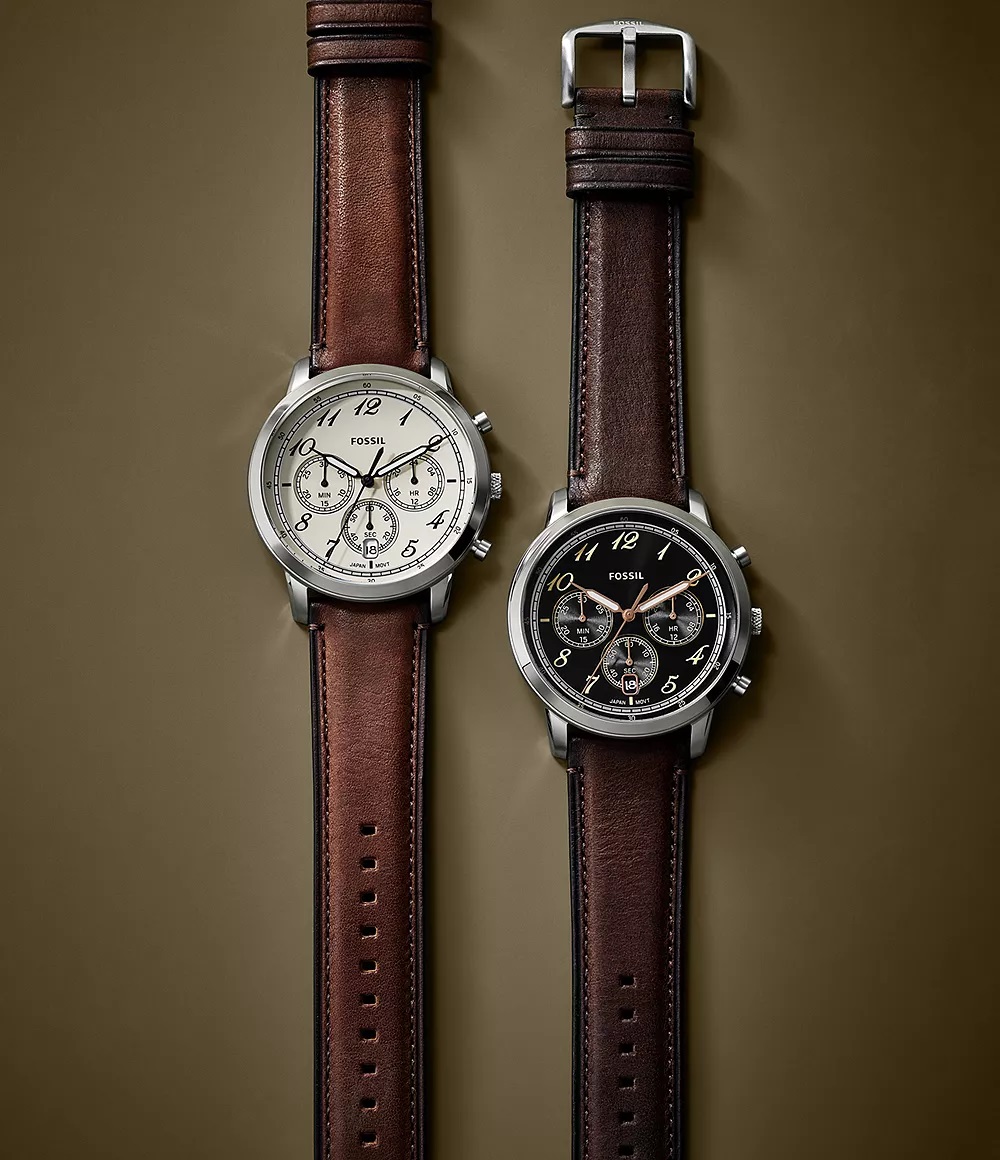
There’s something undeniably captivating about a timepiece that does more than just tell the hour. For enthusiasts and everyday wearers alike, the Leather Chronograph Watch stands out as a true icon of functionality, style, and enduring craftsmanship. It’s a statement piece, blending the precision of a stopwatch with the classic elegance of a leather strap, making it a versatile companion for every facet of life. Whether you’re tracking lap times, timing a perfect espresso, or simply appreciating a beautifully engineered instrument on your wrist, a leather chronograph watch offers a blend of practicality and panache that few other accessories can match.
A Journey Through Time: The Enduring Legacy of Chronographs
The story of the chronograph is as rich and intricate as the mechanisms within the watches themselves. It’s a tale of innovation, precision, and human endeavor to master the measurement of elapsed time.
What is a Chronograph Watch?
At its heart, a chronograph watch is a timepiece with an integrated stopwatch function. This means you can start, stop, and reset a separate timing mechanism while the watch continues to display the current time. The term “chronograph” itself comes from the Greek words “chronos” (time) and “grapho” (to write), a nod to early devices that literally marked time on paper.
The true origins of the chronograph are often debated, but credit is largely given to Louis Moinet, who invented the “compteur de tierces” in 1816 for astronomical observations. A few years later, in 1821, Nicolas Rieussec developed a device specifically for timing horse races for King Louis XVIII, which publicly coined the term “chronograph.” The leap from bulky pocket devices to wrist-worn instruments began in the early 20th century, with Longines introducing one of the first chronograph wristwatches in 1913, and Breitling following swiftly in 1915 with an independent pusher. From these early days, the chronograph quickly became indispensable in fields like aviation, motorsports, and even military operations, cementing its place as a tool of precision and adventure.
Why a Leather Strap? The Perfect Complement
While chronographs come with various strap options, pairing them with a high-quality leather strap elevates their aesthetic appeal and comfort to another level. Leather adds an immediate sense of classic elegance and warmth that metal bracelets or rubber straps often don’t. It’s a material that develops a unique patina over time, telling a story and gaining character with every wear, much like a well-loved vintage car.
Leather straps also offer incredible versatility. A sleek black or deep brown leather strap can transform a sporty chronograph into a sophisticated dress watch, perfect for formal events. Perforated leather straps often evoke a racing heritage, providing a sportier, yet still refined, look. Vegan leather options are also emerging, offering sustainable alternatives without compromising on style. “A leather strap isn’t just about holding the watch on your wrist; it’s an extension of the watch’s personality,” notes Dr. Eleanor Vance, a renowned horology historian. “It softens the often technical appearance of a chronograph, infusing it with a timeless charm that appeals to both classicists and modernists.” This makes the leather chronograph watch a highly adaptable accessory, seamlessly transitioning from a casual weekend outing to a high-stakes business meeting.
Unpacking the Mechanism: How Your Chronograph Works
Behind the captivating dials and pushers of a leather chronograph watch lies a complex symphony of gears, springs, and levers. Understanding these elements deepens appreciation for this mechanical marvel.
The Core Components
- Movement: This is the heart of any watch. Chronographs can be powered by various movements:
- Automatic (Self-Winding): These mechanical movements wind themselves using the motion of your wrist, a popular choice for their craftsmanship and heritage.
- Manual (Hand-Wound): Requiring daily winding, these mechanical movements offer a direct connection to the watch and often showcase exquisite internal finishing.
- Quartz: Battery-powered, these movements are highly accurate, durable, and generally more affordable.
- Solar: A type of quartz movement that charges its battery using light, offering convenience and environmental benefits.
- Pushers: Typically located on the side of the watch case, usually at the 2 and 4 o’clock positions, these buttons control the chronograph function. One button starts and stops the timing, while the other resets it to zero. Early “monopusher” chronographs used a single button for all three actions.
- Sub-dials: These smaller dials, often found at 3, 6, and 9 o’clock, display the elapsed seconds, minutes, and hours when the chronograph is engaged. The layout and number of sub-dials vary by design.
- Central Chronograph Hand: Distinct from the regular seconds hand (which might be on a sub-dial), this hand usually sweeps around the main dial when the chronograph function is activated, precisely marking the elapsed seconds.
Exploring Common Complications
Beyond basic timekeeping and stopwatch functions, many chronographs feature additional “complications” that add to their utility and appeal.
- Tachymeter: This scale, often found on the bezel or outer edge of the dial, allows you to measure speed over a known distance. You start the chronograph at the beginning of a mile (or kilometer) and when you pass the mark, the central chronograph hand points to your speed on the tachymeter scale.
- Pulsometer: Designed for medical professionals, this scale measures a patient’s heart rate over a certain number of beats, often 15 or 30.
- Telemeter: This function measures the distance between the wearer and an event that is both visible and audible (e.g., lightning and thunder) by timing the interval between seeing and hearing the event.
- Flyback Chronograph: A more advanced feature, a flyback chronograph allows you to reset and restart the timing with a single press of a pusher, rather than having to stop, reset, and then restart, making it ideal for pilots who need quick, successive timings.
- Split-Seconds (Rattrapante) Chronograph: This highly complex complication features two superimposed central chronograph hands. It allows you to time two separate events that start at the same time but have different finishing points, or to record intermediate times.
Finding Your Perfect Match: A Buying Guide for Leather Chronograph Watches
Choosing the right leather chronograph watch is a deeply personal journey, balancing aesthetics, functionality, and budget. Here’s what to consider to ensure you find a timepiece that truly resonates with you.
What Should You Look for in a Leather Chronograph?
- Quality & Brand Reputation: Invest in a reputable brand known for its watchmaking heritage and quality materials. Brands like Omega, Breitling, TAG Heuer, Longines, Seiko, Tissot, and Hamilton offer a wide range of reliable chronographs, many with excellent leather strap options. Always look for a warranty and purchase from authorized retailers.
- Movement Type:
- Quartz: Offers high accuracy, durability, and affordability, with minimal maintenance.
- Automatic/Mechanical: Prized for their intricate craftsmanship and smooth sweep of the seconds hand. They often come with a higher price tag and require periodic servicing.
- Case Material & Size: Most cases are stainless steel for durability and timeless appeal. Titanium offers a lighter weight, while gold provides luxury. Consider your wrist size; generally, a case diameter between 38mm and 42mm is versatile, but personal preference for smaller or larger watches varies. Also, pay attention to lug-to-lug distance, which affects how the watch sits on your wrist.
- Water Resistance: Even if you’re not a swimmer, a watch that can withstand splashes, rain, or accidental submersion is a smart choice. Look for at least 50 meters (5 ATM) for daily wear, or 100 meters (10 ATM) for more robust activity.
- Dial Legibility & Design: A chronograph can have a busy dial, so clear markings, contrasting sub-dials, and luminous hands are crucial for readability, especially in low light. Consider dial color (classic black, silver, blue, or even more adventurous hues) and the overall layout.
- Leather Strap Quality & Style: This is where your leather chronograph watch truly shines.
- Material: Look for genuine leather (calfskin, alligator, crocodile) for luxury and durability. Vegan leather is a great ethical and sustainable option.
- Construction: Padded straps offer a plush feel, while thinner straps provide a more elegant profile. Perforated straps are often associated with racing chronographs.
- Closure: A traditional tang buckle is common, but a deployant clasp can extend the life of your strap by reducing wear and tear.
Expert Tip: Matching Your Watch to Your Lifestyle
Your leather chronograph watch should complement your personal style and the demands of your daily life.
- For the Office and Formal Events: Opt for a chronograph with a slimmer profile, a neutral dial (black, silver, white), and a sophisticated black or deep brown leather strap. Avoid overly busy dials or large, sporty cases, as they might overshadow a tailored suit.
- For Casual Weekend Wear: This is where you can truly express yourself. Experiment with bolder dial colors, unique leather textures, or even lighter-colored leather straps. A racing-inspired chronograph on a perforated leather strap is perfect for a weekend drive or a casual brunch.
- For Sports and Outdoor Activities: While metal or rubber straps are often preferred for high-impact sports or water activities due to superior water resistance, a robust chronograph on a well-maintained leather strap can still be a stylish companion for lighter outdoor pursuits or when you want to bring a touch of classic cool to your athletic gear. Just be mindful of water exposure.
Caring for Your Investment: Maintaining Your Leather Chronograph Watch
A leather chronograph watch is an investment, and like any fine instrument, it requires proper care to maintain its beauty and functionality for years to come.
Leather Strap Care
The leather strap is often the first part to show wear, but with a little attention, you can significantly extend its life:
- Cleaning: Gently wipe your leather strap with a soft, damp cloth to remove dirt and sweat. Avoid harsh chemical cleaners, which can dry out and damage the leather.
- Moisture Management: Leather and water are not friends. Avoid prolonged exposure to water, excessive sweat, or direct sunlight, which can cause the leather to crack, discolor, or deteriorate. If your strap gets wet, blot it dry immediately and allow it to air dry naturally, away from direct heat.
- Conditioning: Periodically apply a small amount of high-quality leather conditioner to keep the leather supple and prevent drying and cracking. This is especially important in dry climates.
- Storage: When not wearing your watch, store it in a cool, dry place, ideally in a watch box or on a watch stand that allows air circulation. Avoid storing it in direct sunlight or extreme temperatures.
- Rotation & Replacement: If you wear your leather chronograph watch daily, consider having multiple straps to rotate, giving each one time to breathe and rest. Leather straps typically last 6-24 months depending on wear and care, and are designed to be replaceable.
Watch Movement Care
- Servicing: Mechanical chronographs, especially automatics, should be serviced by a professional watchmaker every 3-5 years. This involves cleaning, lubricating, and checking for wear on components. Quartz watches require battery replacement every few years.
- Avoid Shocks: While watches are built to be robust, strong impacts can damage delicate internal components.
- Water Resistance Checks: If your watch is frequently exposed to water, have its water resistance seals checked periodically by a professional to ensure they are still intact.
Beyond Timekeeping: Collecting Value and Market Trends
The world of leather chronograph watches extends beyond mere utility; it’s a realm of collecting, heritage, and evolving trends. Vintage chronographs, particularly those from iconic brands like Omega’s Speedmaster or Heuer’s Carrera, command significant value due to their historical significance and timeless designs. Enthusiasts often seek specific references, unique dial configurations, or “tropical” dials that have naturally aged over time.
In the contemporary market, there’s a growing appreciation for independent watchmakers pushing the boundaries of chronograph design, often offering unique complications or aesthetic choices. Sustainability is also becoming a key trend, with brands exploring eco-friendly materials for straps, including various forms of vegan leather, catering to conscious consumers. This dynamic interplay of history, innovation, and personal style ensures that the appeal of the leather chronograph watch will continue to captivate for generations.
FAQ: Your Burning Questions About Leather Chronograph Watches Answered
Q1: What’s the main difference between a chronograph and a regular watch?
A chronograph watch includes a stopwatch function with dedicated pushers and often sub-dials to measure elapsed time, in addition to telling the regular time. A regular watch simply indicates the current time without this timing capability.
Q2: Are leather straps durable for daily wear?
Yes, high-quality leather straps are quite durable for daily wear, but their longevity depends on the type of leather, construction, and how well they are cared for. They typically last for a year or two before needing replacement, especially with frequent exposure to sweat or water.
Q3: Can I swim with a leather chronograph watch?
It is generally not recommended to swim with a leather chronograph watch, even if the watch itself has a high water resistance rating. Water, especially chlorinated or saltwater, can severely damage and degrade the leather, causing it to crack, stiffen, and discolor prematurely.
Q4: How often should I service my mechanical chronograph?
Most mechanical chronographs, particularly automatic movements, should undergo professional servicing every 3 to 5 years. This routine maintenance ensures optimal performance, accuracy, and longevity of the complex internal mechanism.
Q5: What are some iconic leather chronograph watch brands?
Many renowned brands offer iconic leather chronograph watch models, including Omega (Speedmaster), Breitling (Navitimer, Premier), TAG Heuer (Carrera), Longines (Master Collection), Hamilton (Intra-Matic), and Zenith (El Primero). These brands are celebrated for their heritage, precision, and distinctive designs.
Embrace the Legacy on Your Wrist
The leather chronograph watch is far more than a time-telling device; it’s a testament to human ingenuity, a fashion statement, and a loyal companion for life’s many adventures. Its blend of historical significance, intricate engineering, and classic style makes it a truly versatile and cherished possession. Whether you’re drawn to its racing heritage, its aviation links, or simply its undeniable aesthetic appeal, strapping on a leather chronograph connects you to a rich tradition of precision and elegance. So go ahead, explore the vast world of these remarkable timepieces, find the one that speaks to your spirit, and embark on your own journey, one precisely timed moment at a time.