For enthusiasts and newcomers alike, the world of pilot’s watches holds a special allure, steeped in history and defined by unwavering precision. Among the pantheon of iconic timepieces, the IWC Pilot’s Watch Chronograph Spitfire stands out as a remarkable testament to aviation heritage and masterful watchmaking. It’s not just a device for telling time; it’s a piece of history on your wrist, embodying the spirit of daring aviators and the unyielding pursuit of excellence. This watch captures the essence of legendary aircraft and translates it into a robust, elegant, and highly functional instrument, perfect for both everyday adventures and discerning collections.
A Legacy Takes Flight: History and Meaning of the IWC Pilot’s Watch Chronograph Spitfire
IWC Schaffhausen has an indelible connection to aviation, a legacy that began in the mid-1930s with the introduction of its first Special Pilot’s Watch. This deep-rooted history laid the groundwork for a series of timepieces designed for the demanding conditions of flight, prioritizing legibility, robustness, and anti-magnetism. The IWC Pilot’s Watch Chronograph Spitfire draws its inspiration directly from the Supermarine Spitfire, one of the most iconic and successful fighter planes in history. This legendary aircraft, known for its elegant design and pivotal role in World War II, represents courage, innovation, and unparalleled performance. The watch isn’t merely named after the plane; it seeks to distill these very qualities into its design and engineering, offering wearers a tangible link to a heroic era. It’s a celebration of engineering prowess, both in the skies and on the wrist, making it much more than a simple time-teller.
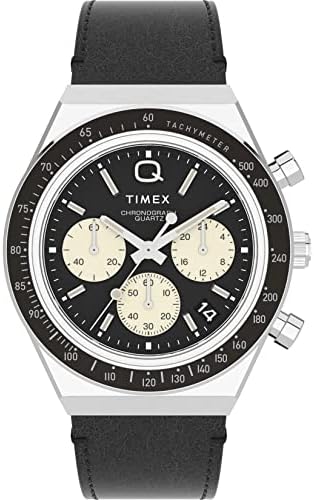
Heart of the Machine: Mechanism and Main Components
At the core of the IWC Pilot’s Watch Chronograph Spitfire lies its formidable engine: the IWC-manufactured Calibre 69380 (or 69385 in certain iterations). This in-house movement signifies a crucial evolution for IWC’s chronograph offerings, moving beyond third-party calibres to a completely integrated solution. “The transition to an in-house chronograph movement was a game-changer for IWC, affirming their commitment to vertical integration and delivering superior mechanical performance,” notes watch expert Michael Chen.
The Calibre 69380 is a column-wheel chronograph, a highly regarded complication known for its smooth pusher feel and precise operation, beating at a steady 28,800 vibrations per hour (4 Hz). It offers a generous power reserve of 46 hours and features an efficient bi-directional pawl-winding system. This intricate dance of 33 jewels ensures accurate timekeeping and reliable chronograph function, often including a flyback complication that allows for instantaneous resetting and restarting of the chronograph with a single push. The solid case back, often beautifully engraved with the silhouette of the Supermarine Spitfire, isn’t just for aesthetics; it provides crucial anti-magnetic protection, a vital feature for a true pilot’s watch, shielding the delicate movement from magnetic fields encountered in modern life.
Beyond the Standard: Key Features and Design Variations
The IWC Pilot’s Watch Chronograph Spitfire series offers a range of compelling features and design variations that cater to different tastes while maintaining a cohesive aesthetic.
- Case and Size: The collection primarily features cases in brushed stainless steel, though notable bronze versions exist, offering a unique aesthetic that patinas beautifully over time. Case sizes typically range from a versatile 41mm to a more prominent 43mm. The 41mm models, like the IW387901 or IW387902, strike an excellent balance, offering a substantial wrist presence without being overwhelming, often praised for their ergonomic fit. The case is usually robust, with brushed surfaces and subtle polished chamfers on the lugs, highlighting its tool-watch lineage while retaining a touch of luxury. The overall thickness is generally around 15.3mm, making it a watch with considerable presence.
- Dial Aesthetics: Dial options vary but consistently emphasize legibility, a hallmark of pilot’s watches. You might find a sunburst slate dial that plays wonderfully with light, a deep military green reminiscent of British Army vehicles, or classic matte black. Arabic numerals mark the hours, often applied for a three-dimensional effect, and are complemented by recessed sub-dials for chronograph functions. Some references feature a triple date display, adding a unique touch of vintage charm. The lume application can be a blend of crisp white and an aged, tan-colored “faux patina,” which can be a point of charming debate among enthusiasts but undeniably adds character. The sword-shaped hands are a classic pilot’s watch element, ensuring quick and accurate time reading.
- Crown and Pushers: Designed for functionality, the watch features robust, cylindrical pushers and an oversized, screw-down crown, often decorated with the IWC logo. These elements are not just for show; they offer excellent tactile feedback and are easy to operate, even with gloves, reinforcing the watch’s tool-watch credentials.
- Case Back Engraving: A signature feature, the solid case back is almost always adorned with an intricate engraving of the Supermarine Spitfire aircraft, a constant reminder of its aeronautical inspiration. For bronze models, the case back is often made of stainless steel to prevent skin irritation as the bronze patinas.
- Water Resistance: Practicality is key, and the watch typically offers a water resistance of 60 meters, making it suitable for everyday wear and splashes, though not intended for serious diving.
Choosing Your Co-Pilot: A Guide to Buying and Maintenance
Acquiring an IWC Pilot’s Watch Chronograph Spitfire is an exciting journey. Here’s how to navigate it:
- Select a Reference: Start by deciding on your preferred case size (41mm or 43mm) and material (stainless steel for classic versatility or bronze for a unique, evolving character). Consider the dial color that best suits your style – the dynamic slate, the distinctive green, or the timeless black.
- Strap Options: The watch typically comes with a choice of a meticulously crafted stainless steel bracelet, offering an exceptional micro-adjust mechanism for a perfect fit, or a comfortable, high-quality leather strap. Textile straps are also available for a more rugged look. Consider how these options will integrate with your existing wardrobe and lifestyle.
- Maintenance Tips:
- Regular Cleaning: Gently wipe your watch with a soft, dry cloth to remove dirt and oils.
- Avoid Extreme Conditions: While robust, protect your watch from extreme temperatures, strong magnetic fields, and harsh chemicals.
- Servicing: Like any precision instrument, regular servicing (typically every 5-7 years) by an authorized IWC service center is crucial to ensure its longevity and optimal performance.
- Bronze Patina Care: If you choose a bronze model, embrace the natural patina that will develop. If you prefer to restore its original luster, specific bronze cleaning solutions can be used, but many find the aged look part of its charm.
More Than Time-Telling: Collection Value and Market Trends
The IWC Pilot’s Watch Chronograph Spitfire holds significant appeal for collectors and watch enthusiasts. Its in-house movement positions it favorably in the luxury watch market, distinguishing it from models relying on external calibres. “The presence of an IWC-manufactured movement significantly enhances the watch’s long-term value and collectibility, marking it as a true manufacture piece,” explains expert Dr. Eleanor Vance. The strong historical connection to the Spitfire aircraft, combined with IWC’s revered heritage in pilot’s watches, adds to its intrinsic value. Special and limited editions within the Spitfire line tend to command even greater interest. In terms of market trends, there’s a sustained demand for historically inspired, robust chronographs that blend tool-watch functionality with refined aesthetics, a niche where the Spitfire excels. While not necessarily an “investment” in the financial sense, owning a piece like this is an investment in craftsmanship, history, and enduring style, often retaining strong resale value.
The Aviator’s Style: Pairing Your Chronograph Spitfire with Outfits
One of the great strengths of the IWC Pilot’s Watch Chronograph Spitfire is its remarkable versatility. While undeniably a robust tool watch, its refined details allow it to transition seamlessly across various sartorial contexts.
- Casual: Paired with jeans, a t-shirt, or a casual sweater, the Spitfire exudes a rugged yet sophisticated appeal. A leather or textile strap can further enhance this laid-back look, making it your go-to weekend companion.
- Business Casual: For a smart casual office environment, the watch, especially on its steel bracelet or a well-chosen leather strap, perfectly complements a blazer, chinos, or a crisp button-down shirt. Its understated elegance adds a touch of professionalism without being overly formal.
- Semi-Formal: While not a dress watch, the 41mm steel variant on a bracelet can certainly hold its own in semi-formal settings. Its clean lines and legible dial project confidence and good taste, making it suitable for events where a full suit isn’t required.
- Strap Changes: Experimenting with different strap materials and colors can dramatically alter the watch’s personality, allowing it to adapt to almost any outfit or occasion. This makes it an incredibly adaptable piece in any wardrobe.
Frequently Asked Questions (FAQs)
What makes the IWC Pilot’s Watch Chronograph Spitfire special?
The IWC Pilot’s Watch Chronograph Spitfire is special due to its deep connection to aviation history, specifically the iconic Supermarine Spitfire aircraft, combined with its high-quality IWC-manufactured in-house chronograph movement and robust yet refined design.
Is the IWC Calibre 69380 a good movement?
Yes, the IWC Calibre 69380 is an excellent in-house, column-wheel chronograph movement, offering a smooth pusher feel, reliable performance, 46 hours of power reserve, and a significant upgrade over previous external movements used by IWC.
What is the water resistance of the Spitfire Chronograph?
The IWC Pilot’s Watch Chronograph Spitfire typically offers a water resistance of 60 meters (6 bar), making it suitable for everyday wear, including splashes and light rain, but not for swimming or diving.
Does the bronze Spitfire patina?
Yes, the bronze versions of the IWC Pilot’s Watch Chronograph Spitfire will develop a unique patina over time. This natural oxidation process creates a distinctive, aged look that is highly prized by many collectors.
What is the difference between the 41mm and 43mm models?
The primary difference lies in the case diameter. The 41mm models are generally considered more versatile for a wider range of wrist sizes, offering a balanced presence, while the 43mm models provide a bolder, more substantial feel on the wrist, appealing to those who prefer larger watches.
Concluding Thoughts: Your Enduring Co-Pilot
The IWC Pilot’s Watch Chronograph Spitfire is more than just a magnificent timepiece; it’s a narrative of courage, precision, and enduring design, perfectly encapsulated for the modern enthusiast. From its robust in-house movement to its iconic aircraft inspiration and versatile styling, every aspect of this watch speaks to a legacy of excellence. It’s a reliable companion for every journey, a conversation starter, and a true collector’s item. By choosing the IWC Pilot’s Watch Chronograph Spitfire, you’re not just wearing a watch; you’re carrying a piece of history and a symbol of uncompromising quality on your wrist, ready to accompany you through every adventure. We encourage you to explore this exceptional timepiece further and discover the lasting connection you’ll forge with your very own co-pilot.