There’s something truly captivating about a chronograph watch, isn’t there? It’s more than just a timepiece; it’s a precision instrument, a miniature marvel of engineering that allows you to measure elapsed time with the push of a button. And when we talk about iconic chronographs, the Hamilton Chronograph Watch stands tall, boasting a rich history, innovative spirit, and undeniable charm that has captivated enthusiasts for decades. From its American roots to its pivotal role in Swiss watchmaking, Hamilton has consistently delivered chronographs that are both functional tools and stylish statements.
A Legacy Forged in Time: The Hamilton Chronograph’s Rich History
Hamilton’s journey in watchmaking began in Lancaster, Pennsylvania, establishing itself as “The Watch of Railroad Accuracy” by providing precise pocket watches that revolutionized railway safety in the late 19th century. This early commitment to precision laid the groundwork for its future in complex timekeeping.
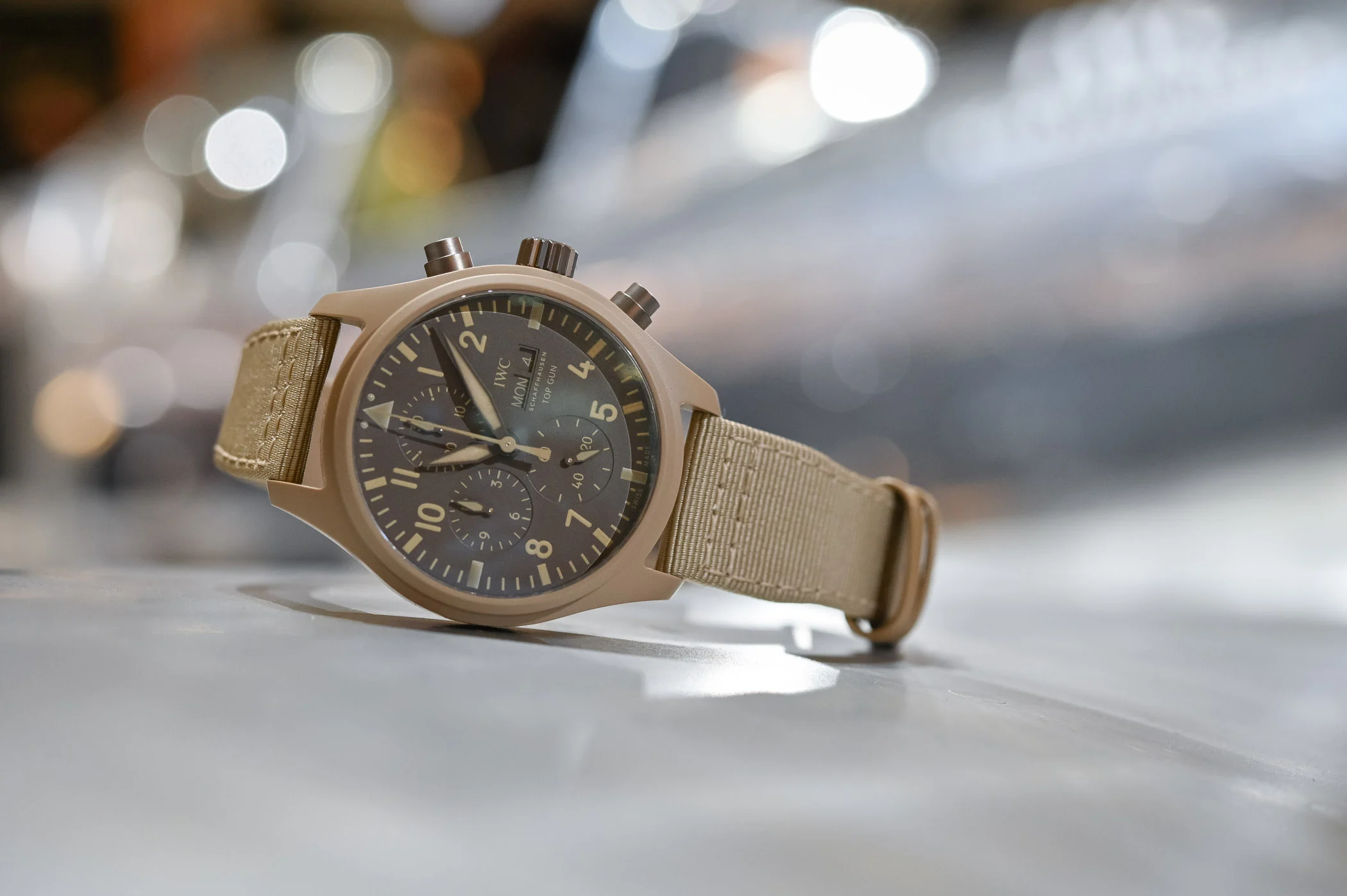
However, Hamilton’s most significant contribution to the chronograph world arrived in 1969, a monumental year for horology. Hamilton played a pivotal role in the “Project 99” consortium, a secret collaboration with industry giants like Breitling, Heuer, Buren, and Dubois-Depraz. Their mission? To develop the world’s first automatic chronograph movement, a groundbreaking achievement that would change watchmaking forever. The result was the legendary Caliber 11, also known as the Chronomatic. This innovative movement was a testament to Hamilton’s engineering prowess, solidifying their place in the annals of watch history.
Beyond this historic milestone, Hamilton also has a storied past supplying watches to the military. During World War II, they halted consumer production to focus on critical timekeeping instruments for the U.S. armed forces. Later, in the 1970s, Hamilton produced robust chronographs for British RAF pilots, further cementing its reputation for creating durable and reliable timepieces for demanding environments. This heritage continues to inspire models like the Khaki Aviation Pilot Pioneer Mechanical Chrono today.
The Heart of the Matter: Understanding Hamilton Chronograph Movements
At the core of every Hamilton chronograph watch lies a sophisticated movement, the engine that powers its timekeeping and stopwatch functions. Hamilton, as part of the Swatch Group, benefits from access to robust and reliable ETA/Valjoux movements, which they then modify and enhance to meet their stringent standards, often marked with their distinctive “H” prefix.
So, what makes these Hamilton chronograph movements tick?
- The H-21 Movement: This automatic chronograph movement is based on the well-respected Valjoux 7750. Hamilton’s modifications include an improved mainspring that extends the power reserve to an impressive 60 hours (compared to the standard 42 hours), ensuring your watch keeps ticking through the weekend. It typically features day-date complications and is known for its reliability.
- The H-31 Movement: Similar to the H-21, the H-31 is an automatic chronograph movement derived from the Valjoux 7753. It also boasts a 60-hour power reserve thanks to Hamilton’s enhancements. A key difference is its quick date corrector, often positioned at 10 o’clock, and its typical bi-compax (two sub-dial) layout.
- The H-51 Movement: For those who appreciate the tactile experience of winding their watch, the H-51 is Hamilton’s hand-wound mechanical chronograph movement. Found in vintage-inspired pieces like the Intra-Matic Chronograph H, it also offers a solid 60-hour power reserve and operates at 28,800 vibrations per hour, providing a smooth sweep of the chronograph seconds hand.
Hamilton’s dedication to these movements isn’t just about longer power reserves; they also enhance accuracy through modifications like reversed or glittered spirals and personalized design elements such as the signature “H” pattern visible on the automatic device bridge.
Iconic Timekeepers: Popular Hamilton Chronograph Watch Models
Hamilton offers a diverse range of chronographs, each with its own character and story. Here are some of the most celebrated Hamilton chronograph watch models:
The Hamilton Intra-Matic Chronograph Collection
This collection is perhaps the most beloved for its faithful homage to Hamilton’s 1960s chronographs, particularly the Chronograph A and B models.
- Intra-Matic Chronograph H: This is a standout for purists. Featuring a manual-wind H-51 movement, it forgoes a date window for a clean, symmetrical “panda” (white dial with black sub-dials) or “reverse panda” (black dial with white sub-dials) aesthetic. Its 40mm polished stainless steel case and box-shaped sapphire crystal evoke a genuine vintage charm.
- Intra-Matic Auto Chrono: For those who prefer the convenience of an automatic movement, this version utilizes the H-31 caliber and includes a date display, typically at 6 o’clock. It maintains the same captivating retro design cues and 40mm case size, offering a robust blend of heritage and modern functionality.
The Hamilton Khaki Field Auto Chronograph
Building on Hamilton’s military legacy, the Khaki Field Auto Chronograph combines the rugged durability of their field watches with the precision of a chronograph. Typically featuring a 42mm case, this model is designed for adventure, with excellent readability and a robust build suitable for demanding outdoor pursuits.
The Hamilton Khaki Aviation Pilot Pioneer Mechanical Chrono
Inspired by the watches Hamilton supplied to British Royal Air Force pilots in the 1970s, this chronograph boasts a distinctive barrel-shaped 40mm stainless steel case. It’s a mechanical, hand-wound piece that perfectly captures the spirit of vintage aviation, offering a unique aesthetic for pilot watch enthusiasts.
Other notable chronographs from Hamilton include the Khaki Aviation X-Wind Auto Chrono, known for its aviation-specific features like a drift-angle calculator, and vintage gems like the Chrono-Diver from the 1970s, powered by Valjoux 7733 movements.
Choosing Your Perfect Hamilton Chronograph Watch: A Buyer’s Guide
Deciding on the right Hamilton chronograph watch can be an exciting journey. With so many compelling options, consider these points to find your perfect match:
- Style Preference: Are you drawn to the elegant, vintage-inspired aesthetics of the Intra-Matic series, with its iconic panda dials, or do you prefer the rugged, tool-watch appeal of the Khaki Field or Aviation chronographs? Hamilton offers both ends of the spectrum beautifully.
- Movement Type: Do you savor the traditional interaction of a manual-wind watch, which requires daily winding but offers a direct connection to the movement (like the Intra-Matic Chronograph H)? Or do you prefer the “set it and forget it” convenience of an automatic movement found in the Intra-Matic Auto Chrono or Khaki Field chronographs?
- Case Size and Wearability: While 40mm is a popular size for many of Hamilton’s retro-inspired chronographs, larger models exist. Consider your wrist size and how the watch’s dimensions, including lug-to-lug, will feel on you.
- Complications and Features: Do you need a date window? What about specific scales like a tachymeter for measuring speed or a GMT function for tracking multiple time zones? Hamilton has chronographs that offer various combinations.
- Budget and Value: Hamilton is renowned for offering exceptional value, providing Swiss craftsmanship and heritage at a price point that often rivals more expensive brands. “Hamilton delivers craftsmanship that rivals watches twice its price,” notes horology expert Dr. Elara Vance. “They’ve mastered the art of balancing historical accuracy with modern reliability, making them an accessible entry point into serious chronograph collecting.”
Beyond Telling Time: Collecting and Caring for Your Hamilton Chronograph
A Hamilton chronograph watch is more than just an accessory; it’s an investment in horological history and a testament to enduring craftsmanship. For collectors, vintage Hamilton chronographs hold particular allure due to their historical significance and often unique designs. When collecting, understanding specific model features, movement types, and case markings is paramount to ensure authenticity.
For both new and vintage pieces, proper maintenance is crucial for longevity. Regular servicing by a qualified watchmaker will ensure the intricate chronograph mechanism functions smoothly and accurately for years to come. Protecting your watch from excessive shocks, extreme temperatures, and magnetic fields will also help preserve its performance and appearance.
The joy of owning a Hamilton chronograph extends beyond its functionality. It’s about wearing a piece of history, appreciating the artistry of its design, and connecting with a legacy of precision and innovation.
Frequently Asked Questions
What makes a Hamilton chronograph watch special?
Hamilton chronographs are special due to their rich history, including their pivotal role in developing the world’s first automatic chronograph movement in 1969. They are known for blending vintage aesthetics with reliable Swiss movements (often modified ETA/Valjoux calibers) and offering excellent value for craftsmanship and heritage.
Are Hamilton chronographs good value for money?
Yes, Hamilton chronographs are widely considered excellent value for money. They provide high-quality Swiss-made movements, often with extended power reserves and distinctive designs, at a price point that is more accessible than many other Swiss luxury brands.
What movements do Hamilton chronographs use?
Hamilton chronographs primarily use modified ETA/Valjoux movements. Common calibers include the automatic H-21 (based on Valjoux 7750) and H-31 (based on Valjoux 7753), both featuring a 60-hour power reserve. Some vintage-inspired models, like the Intra-Matic Chronograph H, use the manual-wound H-51 movement, also with a 60-hour power reserve.
Is the Hamilton Intra-Matic Chronograph H automatic or manual?
The Hamilton Intra-Matic Chronograph H is a manual-wound watch. It features the hand-wound H-51 mechanical chronograph movement, offering a classic and engaging user experience for enthusiasts who enjoy winding their timepieces.
How often should a Hamilton chronograph be serviced?
Like all mechanical watches, a Hamilton chronograph should be serviced regularly to maintain optimal performance and longevity. A general recommendation is every 3-5 years, depending on usage and environmental factors. Regular servicing ensures the movement is clean, lubricated, and functioning correctly.
What is the power reserve of a Hamilton chronograph?
Many modern Hamilton chronographs, particularly those with the H-21, H-31, and H-51 movements, boast an extended power reserve of 60 hours. This means the watch can run for 2.5 days when fully wound or charged, making them very practical for daily wear.
Conclusion
The Hamilton chronograph watch truly represents a remarkable fusion of American heritage and Swiss precision. From its groundbreaking contributions to the very first automatic chronograph to its diverse range of modern-day icons like the Intra-Matic and Khaki Aviation series, Hamilton continues to offer enthusiasts timepieces that are rich in history, robust in performance, and captivating in design. Whether you’re a seasoned collector or discovering the allure of chronographs for the first time, a Hamilton chronograph watch offers an unparalleled blend of quality, value, and timeless style. Dive in and explore the world of Hamilton chronographs – you might just find your next cherished companion.