Step into the world where precision meets unparalleled elegance, and you’ll inevitably encounter the captivating Gold Chronograph Watch. More than just a device for telling time, it’s a statement, a finely tuned instrument, and a piece of wearable art that transcends fleeting trends. A gold chronograph watch beautifully marries the robust functionality of a stopwatch with the inherent luxury and timeless appeal of gold, creating a timepiece that holds a special place in the hearts of collectors and enthusiasts alike. Whether it’s the warm glow of yellow gold, the sophisticated blush of rose gold, or the subtle sheen of specialized alloys, a gold chronograph stands as a testament to both horological mastery and discerning taste.
The Rich History Behind Your Gold Chronograph Watch
The journey of the chronograph began long before it adorned wrists in gleaming gold. Its origins trace back to the early 19th century, with figures like Louis Moinet in 1816 devising mechanisms to track celestial movements, and Nicolas Mathieu Rieussec creating a “time writer” in 1821 to accurately record horse racing times by marking ink onto a rotating dial. These early innovations laid the groundwork for what would become one of watchmaking’s most beloved complications.
Wrist-worn chronographs started appearing around 1910, with major brands like Omega and Longines contributing significantly to their development by 1913. However, it was truly in the 1920s and 1930s that luxury watchmakers, including esteemed names such as Patek Philippe and Audemars Piguet, began to encase these intricate timing instruments in solid gold. This period saw the chronograph evolve from a purely utilitarian tool into a symbol of prestige and advanced engineering. The mid-20th century, often referred to as the “golden age” of chronographs, witnessed a surge in demand and groundbreaking advancements, including the introduction of the first automatic chronograph movements by pioneers like Zenith (with its legendary El Primero), a Heuer-Breitling-Buren partnership, and Seiko in 1969. While yellow gold enjoyed immense popularity in the 1960s to 1980s before a brief lull, its enduring charm has ensured a powerful comeback, cementing its status as a timeless choice for luxury timepieces.
Decoding the Mechanism: How a Gold Chronograph Watch Works
At its core, a chronograph is a watch that ingeniously combines standard timekeeping with an independent stopwatch function. This dual capability is what makes a gold chronograph watch so fascinating and useful.
What Makes a Chronograph Tick?
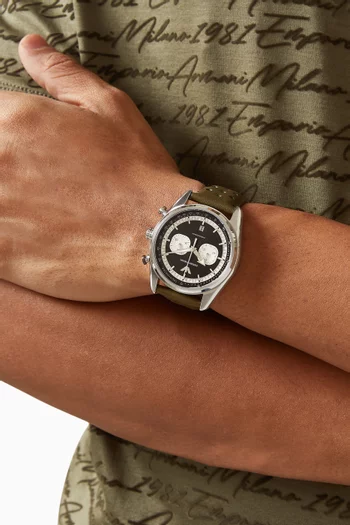
A chronograph is easily recognizable by its distinct features: usually two or three pushers located on the side of the case (often at 2 and 4 o’clock) and several small subdials on the main face. The primary pusher typically starts and stops the chronograph’s central sweeping seconds hand, while the second pusher resets it to zero. The subdials keep track of elapsed seconds, minutes, and, in some models, hours, allowing for precise measurement of events. It’s like having a miniature, highly sophisticated timing laboratory right on your wrist.
The Heart of the Matter: Movements
The intricate dance of time inside a gold chronograph watch is orchestrated by its movement, also known as its caliber. There are primarily three types you’ll encounter:
- Mechanical Movements: These are the traditional heart of horology, powered by a manually wound mainspring, gears, an escapement, and a balance wheel. Many gold chronographs feature manual-wind mechanical movements, which offer a direct connection between the wearer and the intricate artistry of the watch.
- Automatic Movements: A variation of mechanical movements, automatic chronographs self-wind through the natural motion of your wrist, thanks to a rotor. This offers convenience without sacrificing the intricate craftsmanship associated with mechanical timepieces.
- Quartz Movements: Utilizing a battery-powered electronic oscillator, quartz chronographs are known for their exceptional accuracy and lower maintenance requirements, often making them a more accessible entry point into the world of chronographs.
It’s important to distinguish a chronograph from a chronometer. A chronograph is a watch that measures elapsed time (a stopwatch function), while a chronometer is a watch that has undergone rigorous testing and certification for accuracy by an official body like COSC (Contrôle Officiel Suisse des Chronomètres). A gold chronograph watch can, in fact, also be a chronometer, combining both precise timing capabilities with certified accuracy.
A Spectrum of Styles: Popular Types of Gold Chronographs
The world of gold chronographs is rich with variations, each offering a unique approach to timing and a distinct aesthetic appeal. Understanding these types can help you appreciate the depth of engineering and design.
The Classic Two-Pusher Chronograph
This is the most common configuration, featuring a pusher to start and stop the timing, and another to reset it. Watches like the iconic Rolex Daytona and the Omega Speedmaster often exemplify this classic design, offering robust functionality and clear legibility. They are the workhorses of the chronograph world, beloved for their straightforward operation.
The Elegant Monopusher Chronograph
Simplifying the control to a single button, the monopusher chronograph executes the start, stop, and reset functions in sequence with successive presses. This design offers a cleaner, more minimalist look, appealing to those who appreciate understated sophistication while retaining the core functionality of a chronograph.
The Swift Flyback Chronograph
For those needing to time consecutive events quickly, the flyback chronograph is a game-changer. With a single press of the reset pusher, the chronograph hands instantly fly back to zero and restart, eliminating the need for three separate presses (stop, reset, start). This feature is particularly valued in aviation and motorsports, where rapid, sequential timing is crucial. The Carl F. Bucherer Manero Flyback is a notable example of this ingenious complication.
The Advanced Rattrapante (Split-Seconds) Chronograph
Often considered one of the most complex chronograph complications, the rattrapante, or split-seconds chronograph, features two central chronograph seconds hands. This allows the wearer to time two separate events simultaneously or to record intermediate times (lap times) without interrupting the main timing. Watches like the Parmigiani Fleurier Tonda PF Split-Seconds Chronograph showcase the pinnacle of this intricate engineering.
Finding Your Treasure: Choosing and Collecting a Gold Chronograph Watch
Acquiring a gold chronograph watch is a journey of discovery, blending personal style with horological appreciation.
What to Consider When Buying Your Gold Chronograph Watch
When you’re ready to choose your own gold chronograph watch, several factors come into play. First, consider the type of gold. Yellow gold exudes classic luxury, rose gold offers a warmer, contemporary feel, and specialized alloys like Omega’s Moonshine Gold provide unique aesthetic qualities and durability. Movement type (mechanical, automatic, or quartz) will impact both the watch’s character and its maintenance needs. Size and design are also crucial; a watch should feel comfortable and visually balanced on your wrist. Brands like Rolex, Omega, Patek Philippe, A. Lange & Sohne, and Audemars Piguet offer exceptional gold chronograph options, each with its own distinctive design language and heritage. Naturally, your budget will guide your choices, as gold chronographs range from significant investments to true collector’s pieces.
The Thrill of Vintage Gold Chronograph Collecting
For many, the allure of a gold chronograph extends to vintage models, which offer a tangible connection to watchmaking history. Collecting vintage gold chronographs requires a keen eye and a bit of homework. Condition and originality are paramount; a watch with a beautifully aged dial and original components often holds more value than one that has been heavily restored. Understanding the movements is key; many respected vintage chronographs, including some early Rolex Daytonas, utilized movements from specialist manufacturers like Valjoux, Venus, and Lemania. As watch expert Dr. Evelyn Reed notes, “For collectors, understanding the underlying caliber can unlock hidden gems, as many iconic movements were shared across various brands, offering superb quality at potentially more accessible prices beyond the most famous names.” [Fictional Expert Quote] Researching these “engines” can lead you to exceptional pieces. Always be diligent about authenticity checks, familiarizing yourself with brand specific details and verifying serial numbers against manufacturer records to avoid replicas.
Preserving Brilliance: Maintenance for Your Gold Chronograph Watch
A gold chronograph watch is an investment in both time and beauty, and proper care will ensure its luster endures for generations.
Daily Care for Lasting Luster
The simplest steps can make the biggest difference. After each wear, gently wipe your gold chronograph watch with a soft, lint-free microfiber cloth to remove fingerprints, oils, and surface dust. This prevents build-up and maintains its natural sheen. It’s also wise to avoid exposing your watch to harsh environments or chemicals like cleaning agents, perfumes, or strong lotions, as these can dull the gold finish or damage seals.
Deep Cleaning Your Gold Chronograph
For a more thorough clean, typically every few months or more frequently with regular wear, you can perform a gentle deep clean.
- Preparation: Gather a soft microfiber cloth, a small bowl of lukewarm water, a few drops of mild, non-detergent soap (like baby shampoo), and a soft-bristled brush (an unused, soft toothbrush works well).
- Remove the Strap (If Applicable): If your watch has a leather strap or can be easily detached, removing it will allow you to clean the case more thoroughly and protect the strap from moisture.
- Gentle Cleaning: Dip the soft-bristled brush into the soapy water and gently scrub the watch case. Pay close attention to areas where dirt accumulates, such as around the bezel, crown, pushers, and between bracelet links. Use light, circular motions to avoid scratching the gold surface.
- Rinse Carefully: If your watch is water-resistant, rinse it under lukewarm running water to remove all soap residue. For watches that are not water-resistant, carefully wipe it down with a clean, damp cloth.
- Thorough Drying: Pat the watch completely dry with a clean microfiber cloth. Ensure all moisture is removed from crevices, as residual water can lead to tarnishing or corrosion.
Smart Storage Solutions
When not adorning your wrist, your gold chronograph watch deserves a safe resting place. Store it in a dedicated watch box or a soft, cushioned jewelry case to prevent scratches and accidental damage. Keep it away from direct sunlight, which can fade dials and accelerate aging, and away from extreme temperature changes.
Beyond Time: Styling Your Gold Chronograph Watch
A gold chronograph watch is not just a tool; it’s a powerful fashion statement that speaks volumes about your personal style.
Making a Statement
The inherent warmth and richness of gold, combined with the technical aesthetic of a chronograph, create a versatile timepiece that can elevate almost any ensemble. For formal occasions, a sleek gold chronograph pairs beautifully with a tailored suit, adding a touch of sophisticated flair. In more casual settings, it can effortlessly dress up a crisp shirt and jeans, signaling an appreciation for quality and detail. To create a cohesive look, try matching your gold chronograph with other accessories, such as a gold belt buckle, cufflinks, or even the hardware on your bag. A gold chronograph watch is designed to command attention, subtly highlighting your impeccable taste and confidence.
Frequently Asked Questions (FAQ)
What is the difference between a chronograph and a regular watch?
A regular watch primarily tells the time (hours, minutes, seconds). A chronograph watch, in addition to telling time, also incorporates a stopwatch function, allowing you to measure elapsed time independently using dedicated pushers and subdials.
Are gold chronograph watches a good investment?
Many gold chronograph watches, especially those from reputable luxury brands and vintage models, can be excellent investments, appreciating in value over time due to their craftsmanship, limited production, and historical significance. However, like any luxury item, value can fluctuate, and proper care is essential.
How often should I get my gold chronograph serviced?
Generally, a mechanical gold chronograph watch should be serviced every 3 to 5 years to ensure optimal performance and longevity. Quartz movements typically require less frequent servicing, often only needing a battery replacement every few years.
Can I swim with my gold chronograph watch?
It depends on the watch’s water resistance rating. Always check your watch’s specific water resistance (e.g., 50m, 100m, 200m) before exposing it to water. Even if rated for swimming, prolonged exposure to harsh chemicals like chlorine or saltwater should be minimized to protect the gold and seals.
What’s the difference between yellow gold and rose gold for watches?
Yellow gold is a traditional alloy of pure gold, silver, and copper, known for its classic, warm hue. Rose gold (or pink gold) contains a higher proportion of copper, which gives it its distinctive reddish-pink tint. Both offer elegance, but rose gold often provides a slightly more contemporary and softer look.
The Timeless Appeal of a Gold Chronograph
From its intriguing historical roots to its complex mechanical heart and its undeniable aesthetic appeal, the gold chronograph watch is a marvel of horological engineering and design. It’s a versatile companion that not only helps you track precious moments but also elevates your personal style with its inherent elegance and prestige. Choosing, wearing, and caring for a gold chronograph watch is an experience that connects you to a rich legacy of innovation and luxury. It’s a timepiece that transcends mere function, becoming a cherished heirloom and a profound statement about who you are.