Stepping into the world of horology, few complications capture the imagination quite like the chronograph. It’s more than just a watch; it’s a miniature engineering marvel, a testament to human ingenuity in capturing fleeting moments. If you’ve ever found yourself admiring a timepiece with multiple pushers and intricate sub-dials, you’ve likely encountered a chronograph, and perhaps even wondered what makes it tick. For enthusiasts and newcomers alike, the quest to find the Best Chronograph Watch can be a thrilling journey, balancing historical significance with modern innovation, and rugged functionality with elegant design. This guide is your compass through that journey, illuminating the legacy, mechanics, and diverse styles that make these watches truly special, helping you discover the perfect one for your wrist.
What Exactly is a Chronograph Watch? The “Time Writer” Unveiled
At its core, a chronograph is simply a watch with a built-in stopwatch function that operates independently of its primary time-telling mechanism. The name itself, derived from the Greek words “chronos” (time) and “grapho” (to write), literally means “time writer.” This elegant descriptor perfectly encapsulates its purpose: to record elapsed time intervals.
The concept dates back to 1815 when Louis Moinet, a French watchmaker, created the first high-frequency “compteur de tierces” for astronomical observations. However, it was Nicolas Rieussec in 1821 who debuted a “time writer” mechanism that literally dropped ink onto a rotating paper disc to mark intervals, a direct inspiration for the name. Today, chronographs are instantly recognizable by their distinctive “multi-button” appearance – typically two push-pieces flanking the crown, and one or more smaller sub-dials on the main watch face, dedicated to counting seconds, minutes, and sometimes hours. These elements transform a simple timepiece into a sophisticated instrument for measuring and recording events.
A Journey Through Time: The Rich History of Chronograph Watches
The story of the chronograph is interwoven with tales of human endeavor and a relentless pursuit of precision. From its early scientific applications, chronographs quickly found their way into various professions where accurate time measurement was crucial. Jockeys used them to time horse races, aviators relied on them for navigation, and military personnel found them indispensable for tactical operations. Doctors used pulsometers to measure heart rates, while submariners and divers tracked elapsed time underwater.
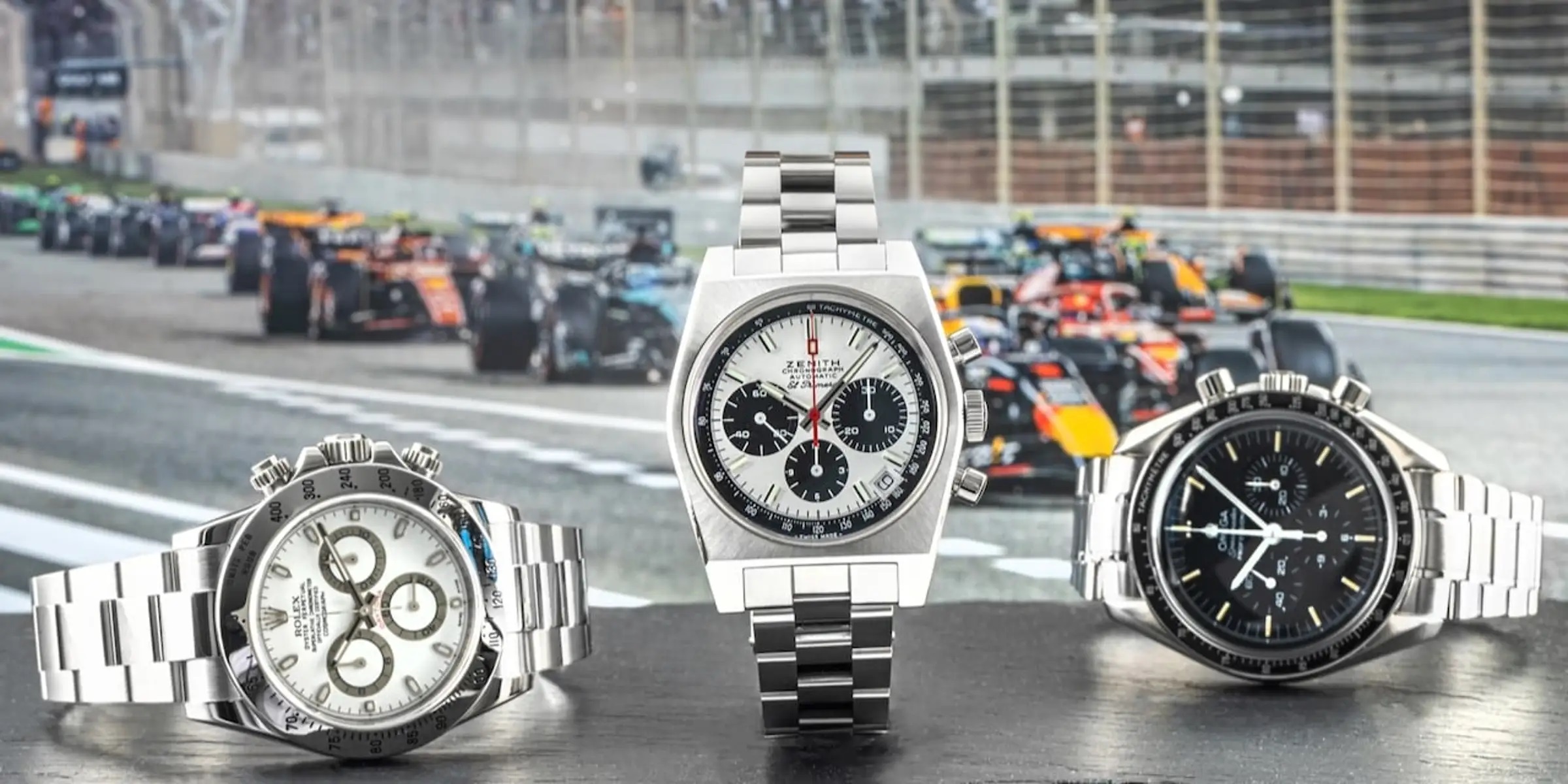
Perhaps no other segment demonstrates the chronograph’s impact as vividly as motorsports and aviation. The very first self-winding chronographs from brands like Seiko, Zenith, and Heuer in 1969 revolutionized watchmaking. Iconic models like the Rolex Daytona became synonymous with racing, while the Breitling Navitimer was a pilot’s best friend. And, of course, no discussion of chronograph history is complete without mentioning the Omega Speedmaster Professional, the legendary “Moonwatch” that accompanied astronauts on every one of NASA’s piloted lunar missions, etching its place in space exploration history. This rich heritage contributes significantly to the enduring appeal of the best chronograph watch models today.
The Heart of the Matter: Understanding Chronograph Mechanisms and Complications
Beneath the elegant dials and robust cases of chronographs lies a complex dance of gears, springs, and levers. Understanding this intricate machinery is key to appreciating the craftsmanship that goes into every piece.
How a Chronograph Works
A standard chronograph typically operates with two pushers. The upper pusher usually starts and stops the timing function, while the lower one resets the chronograph hands back to zero. The elapsed time is displayed on dedicated sub-dials: often a running seconds sub-dial for the main time, a 30-minute counter, and a 12-hour counter for the chronograph function. These sub-dials offer a quick and precise visual readout of timed events.
Key Movements and Calibers
Chronographs can be powered by various movements, each with its own characteristics:
- Mechanical Movements (Manual-Wind & Automatic): These are the darlings of watch purists. Manual-wind chronographs require daily winding, connecting the wearer intimately with their timepiece. Automatic (self-winding) chronographs, on the other hand, wind themselves through the motion of the wearer’s wrist. Famous mechanical calibers include the robust ETA Valjoux 7750/7753, a workhorse movement found in countless brands, the high-frequency Zenith El Primero (beating at 36,000 vibrations per hour for 1/10th second accuracy), Breitling’s in-house B01, Omega’s Caliber 3861, and Rolex’s Caliber 4131. “The engineering marvels found in modern chronograph movements, especially those with in-house calibers, represent the pinnacle of horological achievement,” notes Dr. Evelyn Reed, a renowned horologist.
- Quartz & Solar Movements: Offering incredible accuracy and often more accessible price points, quartz chronographs are battery-powered, while solar models, like some Seiko Prospex Speedtimers, harness light energy for extended power reserves. These are perfect for those prioritizing grab-and-go convenience without sacrificing functionality.
Beyond Timekeeping: Essential Complications
Many chronographs feature additional complications that enhance their utility and appeal:
- Tachymeter: A scale usually found on the bezel, used to calculate speed over a known distance. Ideal for racing enthusiasts.
- Telemeter: This scale helps measure the distance to an event based on the speed of sound, such as gauging the distance of a thunderstorm.
- Pulsometer: Specifically designed for medical professionals, it allows for quick and accurate measurement of a patient’s heart rate.
- Flyback Chronograph: A highly practical feature for aviators, a single push of a button instantly resets the chronograph hands to zero and restarts them, saving precious seconds compared to a standard start-stop-reset sequence.
- Rattrapante (Split-Seconds) Chronograph: One of the most complex complications, it features two (or more) second hands that can be stopped independently to time multiple events that start at the same time but end at different intervals. The “split” hand then “catches up” to the main chronograph hand.
- Monopusher Chronograph: Simplifying the design, all chronograph functions (start, stop, reset) are controlled by a single pusher, often integrated into the crown.
Finding Your Perfect Match: Categories of the Best Chronograph Watches
The sheer variety of chronographs ensures there’s a perfect timepiece for every taste, need, and budget. Here’s a look at some popular categories and exemplary models that often define the best chronograph watch in their class.
Luxury Icon Chronographs
These are the legends, often pioneering models that have left an indelible mark on watchmaking.
- Rolex Cosmograph Daytona: The quintessential racing chronograph, beloved for its robust design, precision, and enduring mystique. Its three-register dial and tachymeter bezel are instantly recognizable.
- Omega Speedmaster Professional “Moonwatch”: The legendary chronograph that went to the moon, this hand-wound marvel with its distinct tachymeter bezel is a cornerstone for any serious collector.
- Zenith El Primero Chronomaster Original: Housing one of the first high-frequency automatic movements (5Hz), it offers unparalleled precision, capable of measuring time to 1/10th of a second.
|
Our Picks for the Best Chronograph Watch in 2026
As an Amazon Associate I earn from qualifying purchases.
|
||
| Num | Product | Action |
|---|---|---|
| 1 | OLEVS Watches for Men Analog Quartz Luxury Diamond Waterproof Chronograph Stainless Steel Big Face Square Date Moon Phase Roman Numeral Dress Watch for Men |

|
| 2 | BY BENYAR Mens Watches Analog Quartz Chronograph Waterproof Wrist Watches for Men Fashion Business Work Casual Sport Designer Dress Watch with Calendar Elegant Gifts for Men |
|
| 3 | Timex Men\'s Waterbury Classic Chrono 40mm Stainless Steel Quartz Dress Watch with Leather Strap |
|
| 4 | Citizen Men\'s Eco-Drive Weekender Brycen Chronograph Watch in Stainless Steel |
|
| 5 | Timex Men\'s Marlin 40mm Watch |
|
| 6 | Invicta Men\'s 1326 Invicta II Chronograph Black Dial Two-Tone Stainless Steel Watch |
|
| 7 | Timex Expedition Field Chronograph 43mm Men’s Analog Watch - INDIGLO Backlight - Durable Comfortable Adjustable Strap - Rugged Outdoor Watch - 100M Water Resistance |
|
| 8 | GOLDEN HOUR Fashion Business Mens Watches with Stainless Steel Waterproof Chronograph Quartz Watch for Men, Auto Date |
|
| 9 | Fossil Men\'s Nate Oversized Stainless Steel Chronograph Watch |
|
| 10 | Citizen Quartz Mens Watch, Stainless Steel, Classic |
|
Pilot’s Chronographs
Designed for the cockpit, these watches prioritize legibility and functionality for aviators.
- Breitling Navitimer: With its iconic slide-rule bezel for complex flight calculations, the Navitimer remains the quintessential pilot’s chronograph.
- IWC Pilot’s Watch Chronograph: Known for their clear, instrumental dials and robust movements, IWC’s pilot chronographs are built for adventure and precision.
- Longines Avigation BigEye: Inspired by vintage pilot chronographs, its oversized 30-minute counter offers excellent readability, a crucial feature in aviation.
Racing-Inspired Chronographs
Celebrating the thrill of the track, these watches often feature bold designs and tachymeter scales.
- TAG Heuer Carrera: Named after the perilous Carrera Panamericana race, this collection embodies the spirit of motorsport with various contemporary and vintage-inspired designs.
- Tissot Heritage 1973: A nostalgic nod to Tissot’s racing past, this model captures the vibrant design language of 1970s motorsports chronographs.
- Hamilton American Classic Intra-Matic Auto Chrono: Drawing from its own historical self-winding chronographs, Hamilton offers a vintage racing aesthetic with modern reliability.
Everyday & Sporty Chronographs
Versatile and robust, these chronographs are perfect for daily wear and active lifestyles.
- Seiko Prospex Speedtimer SSC813: A modern reinterpretation of Seiko’s historic 1969 chronograph, now featuring a reliable solar-powered movement, making it a fantastic value proposition.
- Tissot PRX Chronograph: Combining a retro integrated bracelet design with modern mechanics, it’s a stylish and capable choice for those seeking a contemporary look.
- Oris Divers Sixty-Five Chronograph: Blending dive watch aesthetics with chronograph functionality, this watch is as at home underwater as it is on dry land.
High-Horology & Unique Chronographs
For the connoisseur seeking unparalleled craftsmanship and innovative complications.
- Patek Philippe Ref. 5172G: An exquisite example of traditional haute horlogerie, featuring a manually wound in-house caliber and meticulous finishing.
- A. Lange & Söhne Datograph Up/Down: Known for its “Outsize” date and flyback chronograph, showcasing Saxon watchmaking at its finest.
- Jaeger-LeCoultre Reverso Tribute Chronograph: A remarkable fusion of a reversible dress watch with a complex, skeletonized retrograde chronograph on its reverse side.
- H. Moser & Cie. Streamliner Flyback Chronograph: A minimalist masterpiece that displays chronograph functions via central hands, eschewing traditional sub-dials for a cleaner aesthetic. “Innovation in chronograph design isn’t just about new movements; it’s about reimagining how we interact with and perceive timed events,” says Dr. Reed.
Your Guide to Choosing the Best Chronograph Watch
Selecting the best chronograph watch is a personal decision influenced by a multitude of factors. Here’s what to consider to make an informed choice:
What to Consider When Buying
- Purpose and Lifestyle: Do you need a rugged tool watch for adventure, an elegant piece for formal occasions, or a versatile daily wearer?
- Movement Preference: Mechanical (manual or automatic) offers traditional craftsmanship, while quartz or solar provides accuracy and convenience, often at a lower price.
- Complications You Need: Do you require a tachymeter for speed, a flyback for quick resets, or simply a basic stopwatch function?
- Size and Fit: Chronographs often wear larger due to their complex movements. Ensure the case diameter and thickness are comfortable for your wrist.
- Budget: Chronographs span a wide price range. Define what you’re willing to spend, from entry-level mechanicals to ultra-luxury masterpieces.
- Brand Reputation: Established brands often offer reliability, resale value, and extensive service networks.
Maintaining Your Chronograph
A chronograph is a complex instrument that benefits from proper care.
- Regular Servicing: Mechanical chronographs typically require servicing every 3-5 years to ensure optimal performance and longevity.
- Water Resistance Care: Always ensure the crown and pushers are properly secured before exposing your watch to water. Never activate pushers underwater unless your watch is specifically designed for it (e.g., some dive chronographs).
- Storage Tips: Store your watch in a cool, dry place, ideally in a watch box or winder to protect it from dust and accidental damage.
The Allure of Collecting: Chronograph Value and Market Trends
The world of chronographs is a vibrant ecosystem for collectors. Their historical significance, mechanical complexity, and aesthetic diversity make them highly sought after. Vintage chronographs, especially those with unique dials, rare movements, or famous provenance (like “Paul Newman” Daytonas), can command astronomical prices. “The enduring appeal of chronographs lies not just in their function, but in the stories they tell and the history they represent on your wrist,” Dr. Reed explains.
Modern trends see continuous innovation in materials (titanium, ceramic), movement technology (high-frequency, long power reserves, advanced escapements), and design aesthetics (integrated bracelets, unique dial textures). Limited editions and reinterpretations of classic models frequently generate significant collector interest, ensuring that the market for the best chronograph watch remains dynamic and exciting.
Styling Your Chronograph: More Than Just a Timepiece
A chronograph is incredibly versatile and can elevate almost any outfit.
- Versatility in Pairing: A classic stainless steel chronograph with a leather strap can effortlessly transition from a business casual setting to a weekend outing. A rugged pilot’s chronograph complements military-inspired or casual attire. Even dressier chronographs, with their refined dials and precious metal cases, can be stunning with formal wear.
- Strap Choices: The choice of strap can dramatically alter a chronograph’s character. A supple leather strap adds warmth and vintage charm, a robust steel bracelet provides a sporty, integrated look, while a colorful rubber strap injects a dose of modern athleticism. Experimenting with different strap options is an easy way to refresh the look of your timepiece.
- Making a Statement: Whether subtle or audacious, a chronograph often serves as a conversation starter, reflecting the wearer’s appreciation for precision, history, and sophisticated design.
Frequently Asked Questions (FAQ)
What is the difference between a chronograph and a stopwatch?
A stopwatch is a standalone device solely for timing events. A chronograph, however, is a watch that incorporates a stopwatch function, alongside its regular time-telling capabilities.
Are chronograph watches accurate?
Yes, modern chronographs are very accurate. Mechanical chronographs can be certified as chronometers (like COSC certification) for exceptional precision, while quartz and solar chronographs offer high accuracy due to their electronic regulation. High-frequency mechanical chronographs can even measure to fractions of a second.
Why are chronographs so expensive?
Their complexity. Designing and assembling a chronograph movement requires significant expertise, skilled labor, and numerous intricate components. Features like in-house movements, specific complications (rattrapante, perpetual calendar), precious metals, and extensive hand-finishing also contribute to their higher cost.
Can I use a chronograph underwater?
It depends on its water resistance rating. While some chronographs, especially diver-style models, are built for underwater use and feature screw-down pushers, many are not. Always check the watch’s water resistance specifications and never activate the pushers underwater unless explicitly stated that it is safe to do so.
How often should a chronograph be serviced?
Mechanical chronographs generally benefit from a full service every 3 to 5 years. This interval can vary based on the manufacturer’s recommendations, the watch’s age, and how frequently it’s worn and used. Regular servicing ensures lubrication, accuracy, and longevity of the intricate movement.
Embrace the World of Chronographs
The pursuit of the best chronograph watch is deeply personal, reflecting individual style, technical appreciation, and historical interest. From its humble beginnings as a tool for astronomers to its iconic status in motorsports and space exploration, the chronograph has evolved into a diverse and captivating category of timepieces. Each click of its pusher, each sweep of its hand, connects you to a legacy of precision and passion. Whether you’re drawn to its intricate mechanics, its rich history, or its versatile style, there’s a chronograph out there waiting to become an indispensable part of your life, measuring not just minutes and seconds, but the moments that truly matter. Embrace the journey, and let your chronograph tell your story.