Stepping into the world of horology, few timepieces command as much respect and admiration as the chronograph, and among them, the Omega chronograph watch stands in a league of its own. It’s more than just a device to tell time; it’s a testament to human ingenuity, precision engineering, and a silent witness to some of humanity’s greatest adventures. Whether gracing the wrists of Olympic athletes, daring race car drivers, or pioneering astronauts, Omega chronographs have consistently pushed the boundaries of accuracy and durability. This isn’t just about marking seconds; it’s about capturing moments, big and small, with unmatched reliability and style.
The Genesis of Precision: Omega’s Early Chronograph Innovations
Long before its legendary moon landings, Omega was already a formidable force in the realm of precision timekeeping. The brand’s journey with chronographs began in the late 19th century, marking its commitment to the complicated art of measuring elapsed time. The first significant stride was made in 1898 with the 19”’ CHRO, a pocket watch movement, followed by the 18”’ CHRO in 1906. These early mechanisms laid the groundwork for Omega’s future dominance in the field.
By 1929, the 39 CHRO emerged, a notable movement that continued in production until around 1940 and was even a joint venture with LeCoultre. These movements, initially designed for pocket watches, featured a component arrangement dictated by their single-pusher chronograph functions. However, a pivotal partnership with Lemania, which became part of SSHI in 1932, truly propelled Omega’s chronograph development. This collaboration led to movements like the CH13 and CH15, which evolved into the 28.9 and 33.3 calibers. While these saw a temporary reversal in movement orientation, the arrival of the 27 CHRO (later known as the iconic Calibre 321) marked a return to the original efficient layout, setting the stage for what was to come. The Calibre 321, developed in 1942, would become a cornerstone of Omega’s chronograph legacy, revered for its robust column-wheel design.
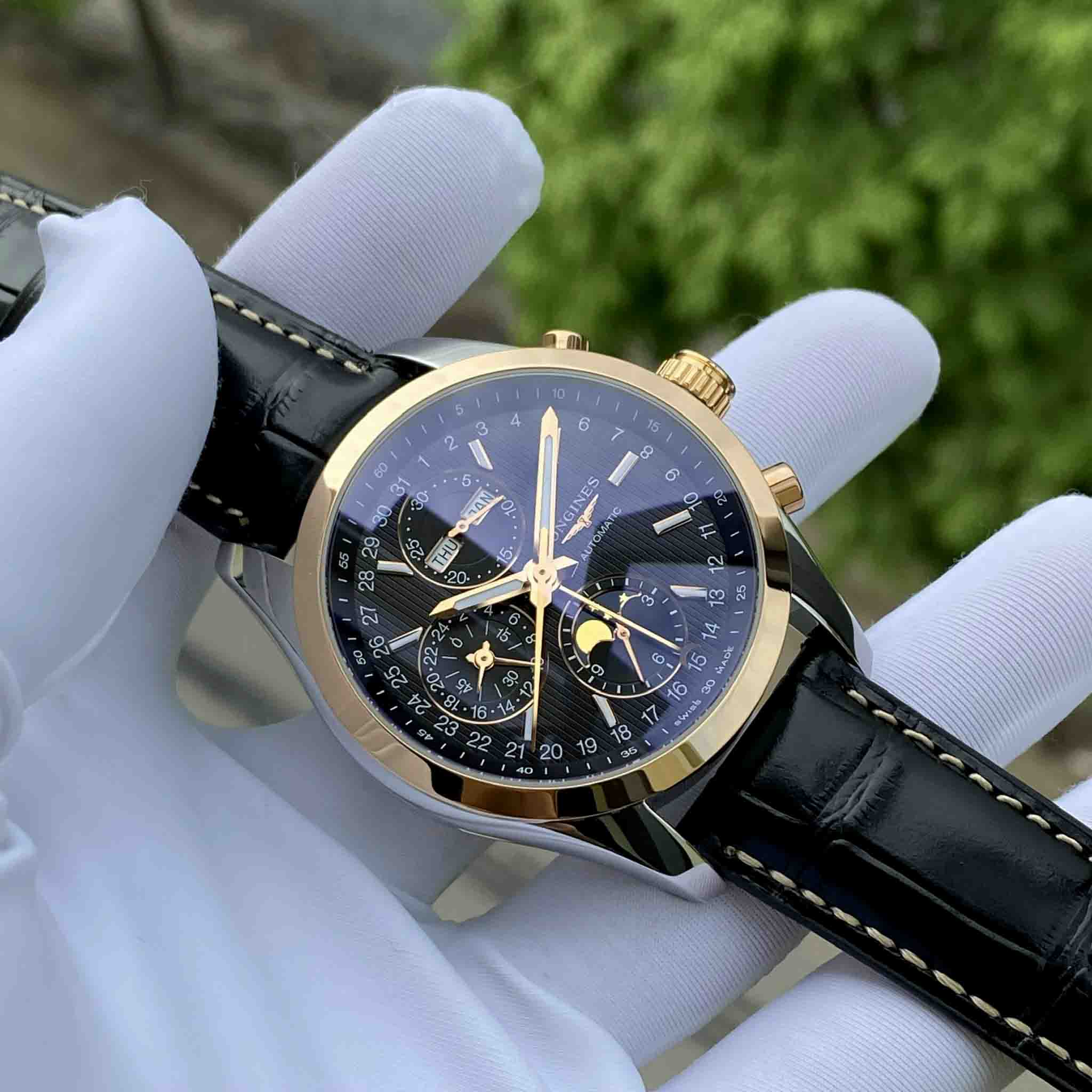
From Racetracks to the Moon: The Unrivaled Omega Speedmaster Story
The story of the Omega chronograph watch is largely intertwined with that of its most famous offspring: the Speedmaster. Introduced in 1957, the Speedmaster wasn’t initially destined for space; it was conceived as a sport and racing chronograph. It quickly became the official timekeeper for the Olympic Games, reflecting its precision and reliability. The very first model, reference CK 2915, housed the robust Calibre 321 movement and boasted a revolutionary design, moving the tachymeter scale from the dial to the bezel—a design choice that would influence countless other chronographs. This initial Speedmaster was part of Omega’s “Professional” triumvirate launched that year, alongside the Seamaster 300 and Railmaster, solidifying Omega’s reputation for specialized, high-performance timepieces.
Why is the Omega Speedmaster Professional “Moonwatch” so famous?
The Omega Speedmaster Professional earned its legendary “Moonwatch” moniker through its unparalleled performance and durability during NASA’s rigorous qualification tests for manned space missions. After subjecting various chronographs from top brands to extreme temperatures, pressures, humidity, and vibrations, only the Omega Speedmaster survived, becoming the official timepiece for American astronauts in 1965. Its saga began with astronaut Walter Schirra wearing one in space in 1962 during his Mercury-Atlas 8 mission. It then accompanied Ed White on the first American spacewalk in 1965 and, most famously, was the first watch worn on the Moon by Buzz Aldrin during the Apollo 11 mission in 1969. The Speedmaster Professional remains one of the few watches qualified by NASA for spaceflight, and the only one approved for Extravehicular Activity (EVA), cementing its status as an enduring symbol of exploration and human endeavor.
The Heartbeat’s Evolution: Iconic Omega Chronograph Movements
The success of the Speedmaster is inextricably linked to the remarkable movements that powered it:
- Calibre 321: The legendary original, a lateral clutch, column-wheel controlled mechanism, was designed in conjunction with Lemania. Measuring just 27mm in diameter, it’s considered one of the finest chronograph movements ever made, even being adopted by haute horlogerie brands like Patek Philippe and Breguet. Its prestige is so high that Omega reissued a new Calibre 321 in 2019, replicating its original design with modern materials and manufacturing techniques.
- Calibre 861: Introduced in 1969 with reference 145.022, this movement replaced the 321, featuring a cam-actuated system instead of a column wheel, offering enhanced robustness for its time.
- Calibre 1861: Debuting in 1996, this was an evolution of the 861, continuing the legacy of manual-winding reliability in the Speedmaster Professional.
- Calibre 3861: In 2021, Omega updated the standard-production Speedmaster Professional with this new movement. The Calibre 3861 incorporates Omega’s revolutionary Co-Axial escapement and boasts Master Chronometer certification, offering superior magnetic resistance, accuracy, and performance. This update ensures the Moonwatch remains at the forefront of horological innovation.
Understanding the Machine: What Makes an Omega Chronograph Tick?
At its core, a chronograph is a stopwatch function integrated into a traditional time-telling watch. But an Omega chronograph watch, especially the Speedmaster, elevates this functionality with meticulous design and engineering.
What are the key features of an Omega chronograph watch?
Beyond telling the time, Omega chronographs boast several distinguishing features. You’ll typically find two or three sub-dials on the main face: one for the running seconds of the watch, and others dedicated to counting elapsed minutes and hours for the chronograph function. Two pushers flank the crown; one starts and stops the chronograph, while the other resets it. Many Omega chronographs, particularly the Speedmaster, feature a tachymeter scale on the bezel, which allows for calculating speed over a known distance. These elements combine to create a tool watch that is both practical and aesthetically pleasing.
Column Wheel vs. Cam Actuation: Which is better for an Omega chronograph?
The debate between column wheel and cam-actuated chronograph mechanisms is a classic in watchmaking. The Calibre 321, found in early Speedmasters and its modern reissue, uses a column wheel. This system is often praised for its smooth pusher feel and more complex, visually appealing construction, which is why it’s favored by many high-end brands. Conversely, movements like the Calibre 861 and 1861 are cam-actuated. While less intricate to produce, cam systems are known for their robustness and reliability, offering a crisp, tactile pusher feedback. Both have their merits, reflecting different approaches to achieving precise time measurement.
What does Master Chronometer mean for an Omega chronograph?
For modern Omega chronograph watches, particularly those equipped with the Calibre 3861, “Master Chronometer” certification signifies an extraordinary level of precision, performance, and magnetic resistance. This isn’t just a COSC chronometer certification; it’s an even more stringent test developed by METAS (the Swiss Federal Institute of Metrology) and Omega. It involves eight rigorous tests, including exposing the watch to magnetic fields of 15,000 gauss, ensuring daily accuracy within 0 to +5 seconds, and verifying water resistance, power reserve, and overall functionality after being subjected to extreme conditions. This certification guarantees your Omega chronograph will perform reliably in almost any environment.
Beyond the Speedmaster: Other Notable Omega Chronograph Lines
While the Speedmaster is undoubtedly Omega’s chronograph flagship, the brand has produced other notable chronograph collections that deserve recognition. The Seamaster Chronograph series, for instance, offers robust dive watches with chronograph functionality, combining aquatic readiness with timing capabilities. Models like the Seamaster Planet Ocean Chronograph are built to withstand extreme depths while providing precise time measurement. Another distinctive Omega chronograph is the “Bullhead,” characterized by its unique case shape and pusher placement at the top of the watch, giving it a powerful, unconventional aesthetic. These models showcase Omega’s versatility and willingness to innovate beyond its most iconic designs.
Investing in Time: A Guide to Choosing and Owning Your Omega Chronograph
Choosing an Omega chronograph watch is a deeply personal journey, whether you’re a seasoned collector or a first-time buyer. The right choice depends on your priorities: historical significance, cutting-edge technology, or pure aesthetic appeal.
What to look for when buying an Omega chronograph?
When considering an Omega chronograph, first decide if you prefer the manual-winding heritage of the Speedmaster Professional or the modern convenience and technological advancements of an automatic Co-Axial Master Chronometer movement like the Calibre 3861. For collectors, vintage Calibre 321 Speedmasters hold immense value due to their rarity and historical provenance. Research specific references (e.g., CK 2915, 105.012) if you’re chasing a piece of history. For daily wear, a modern Speedmaster or a Seamaster Chronograph offers robust performance and contemporary features. Always verify the authenticity and service history, especially for pre-owned watches.
Are Omega chronographs good for daily wear?
Absolutely. Omega chronographs are built for durability and precision, making them excellent choices for daily wear. Modern Speedmasters and Seamaster chronographs, especially those with Master Chronometer certification, offer exceptional resistance to magnetic fields, shocks, and water. While vintage pieces might require more delicate handling due to their age, contemporary Omega chronographs are designed to withstand the rigors of everyday life, blending robust functionality with sophisticated style.
How often should I service my Omega chronograph?
To ensure the longevity and accurate performance of your Omega chronograph, regular servicing is crucial. Omega generally recommends a complete service every 5-8 years, depending on the model, its age, and how frequently it’s worn. A professional service involves disassembling the movement, cleaning, lubricating, replacing worn components, and meticulously regulating the watch. This routine maintenance helps preserve its value and ensures it continues to measure time with the precision for which Omega is renowned.
The Timeless Appeal: Styling Your Omega Chronograph Watch
An Omega chronograph watch is incredibly versatile, seamlessly transitioning across various styles and occasions. Its inherent sporty elegance makes it a fantastic companion for both casual and formal attire.
For a classic, sophisticated look, pair your Speedmaster with a sharp suit. The stainless steel bracelet offers a timeless aesthetic that complements professional environments. However, don’t shy away from experimenting with straps. A rich leather strap can instantly elevate a chronograph, adding a touch of vintage charm, while a NATO strap brings a casual, adventurous vibe, perfect for weekend excursions. The “Moonwatch” in particular, with its iconic black dial, offers a neutral yet distinctive presence that can anchor any outfit, making a subtle statement of taste and history.
Conclusion
The Omega chronograph watch represents far more than a simple time-telling device; it embodies a rich tapestry of innovation, adventure, and unwavering precision. From its humble beginnings in the late 19th century to its legendary status on the lunar surface and its continued evolution with cutting-edge movements like the Master Chronometer-certified Calibre 3861, Omega has consistently set benchmarks in horological excellence. Owning an Omega chronograph is not just about possessing a finely crafted instrument; it’s about connecting with a legacy of human achievement and a dedication to measuring life’s most significant moments. As Omega continues to innovate, the allure of its chronographs will undoubtedly endure, captivating enthusiasts and new admirers for generations to come.
|
Our Picks for the Best Chronograph Watch in 2026
As an Amazon Associate I earn from qualifying purchases.
|
||
| Num | Product | Action |
|---|---|---|
| 1 | Citizen Quartz Mens Watch, Stainless Steel, Classic |

|
| 2 | GOLDEN HOUR Fashion Business Mens Watches with Stainless Steel Waterproof Chronograph Quartz Watch for Men, Auto Date |
|
| 3 | Invicta Men\'s 1326 Invicta II Chronograph Black Dial Two-Tone Stainless Steel Watch |
|
| 4 | Citizen Men\'s Eco-Drive Weekender Brycen Chronograph Watch in Stainless Steel |
|
| 5 | BY BENYAR Mens Watches Analog Quartz Chronograph Waterproof Wrist Watches for Men Fashion Business Work Casual Sport Designer Dress Watch with Calendar Elegant Gifts for Men |
|
| 6 | Fossil Men\'s Nate Oversized Stainless Steel Chronograph Watch |
|
| 7 | Timex Expedition Field Chronograph 43mm Men’s Analog Watch - INDIGLO Backlight - Durable Comfortable Adjustable Strap - Rugged Outdoor Watch - 100M Water Resistance |
|
| 8 | Timex Men\'s Waterbury Classic Chrono 40mm Stainless Steel Quartz Dress Watch with Leather Strap |
|
| 9 | OLEVS Watches for Men Analog Quartz Luxury Diamond Waterproof Chronograph Stainless Steel Big Face Square Date Moon Phase Roman Numeral Dress Watch for Men |
|
| 10 | Timex Men\'s Marlin 40mm Watch |
|