For watch enthusiasts and casual wearers alike, the 40mm Chronograph Watch holds a truly special place. It’s a size that often hits that perfect sweet spot, blending classic proportions with modern wearability, offering both functionality and undeniable style. More than just a time-telling device, a chronograph is a miniature marvel of engineering, a piece of history on your wrist that allows you to measure elapsed time with precision. The 40mm case size, in particular, has emerged as a beloved dimension, proving substantial enough to command attention without overwhelming the wrist, making it a versatile choice for almost any occasion.
A Journey Through Time: The History and Significance of the Chronograph Watch
The story of the chronograph is a captivating journey through innovation and utility. Its origins can be traced back to 1816 when French watchmaker Louis Moinet created the “compteur de tierces,” a pocket watch capable of measuring time to 1/60th of a second, initially for astronomical purposes. Just five years later, in 1821, Nicolas Mathieu Rieussec debuted the first publicly marketed chronograph, commissioned by King Louis XVIII to time horse races. This early device literally “wrote” time, marking a rotating dial with ink to record intervals – a fascinating start to a complication named from the Greek words “chronos” (time) and “graph” (to write).
As the 20th century dawned, the chronograph transitioned from pocket to wrist, finding indispensable roles in fields like aviation, motorsports, and even medicine. Early innovations by brands like Breitling led to the development of the independent pusher, separating the start/stop function from the reset, and later, the iconic two-pusher design we commonly see today. The mid-century saw the chronograph’s popularity soar, fueled by the glamorous worlds of racing and the urgent demands of aerial navigation. The “space race” era cemented its legendary status, with chronographs accompanying astronauts into the cosmos, most famously the Omega Speedmaster on the moon.
The move towards more refined and wearable sizes, including the 40mm chronograph watch, reflects a blend of historical accuracy and contemporary taste. Many vintage chronographs, particularly from the golden age of watchmaking, sported cases in the 36mm to 38mm range. As watch sizes grew larger in recent decades, the return to more classic dimensions like 40mm has been widely welcomed, offering a nod to heritage while ensuring comfort for a broader range of wrist sizes.
Inside the Time Machine: Understanding the Chronograph’s Mechanism and Key Components
At its heart, a chronograph watch is a clever fusion: a standard time-telling watch combined with an independent stopwatch function. The magic happens through a dedicated mechanism that can be started, stopped, and reset on demand, all without interfering with the watch’s regular time display.
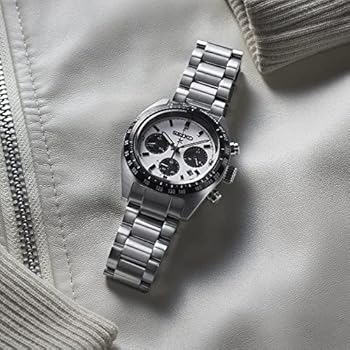
What are the core parts of a chronograph movement? Typically, you’ll find two or three pushers flanking the crown. The top pusher usually controls the “start” and “stop” functions, while the bottom pusher is for “resetting” the timing hands back to zero. On the dial, alongside the regular hour and minute hands, a central sweep seconds hand (often more prominent) is dedicated to the chronograph. This is usually accompanied by smaller “subdials” which record elapsed minutes and, on some models, elapsed hours.
How does a chronograph work? When you press the start pusher, a series of precisely engineered gears engage with the main timekeeping train. The central chronograph seconds hand begins its sweep, and once it completes a full rotation (usually 60 seconds), the minute subdial advances by one. If an hour subdial is present, it will advance after 60 minutes. Pressing the start/stop pusher again halts the timing, allowing you to read the elapsed time. A final press of the reset pusher swiftly snaps all chronograph hands back to their starting positions.
Modern 40mm chronograph watches come with various movements. Traditional mechanical chronographs are intricate, powered by complex gear trains and springs, often featuring either a “column wheel” or “cam and lever” system for operating the chronograph functions. The column wheel is admired for its smooth, crisp pusher feel, while cam systems are generally more robust and cost-effective. Then there are quartz chronographs, known for their accuracy and affordability. A popular hybrid, especially in the 40mm segment, is the “meca-quartz” movement. These clever calibers combine a quartz oscillator for timekeeping accuracy with a mechanical module for the chronograph function, offering the best of both worlds: a precise time display and the satisfying mechanical “snap” and sweep of a traditional chronograph seconds hand.
Beyond the Stopwatch: Popular Types of Chronograph Watches and Their 40mm Appeal
The world of chronographs is diverse, with various configurations designed for specific purposes or aesthetic preferences. Understanding these types can help you appreciate the nuances of a 40mm chronograph watch.
What are the most common types of chronographs?
- Bi-Compax: These feature two subdials, typically for elapsed minutes and running seconds. They offer a clean, balanced aesthetic that harks back to many vintage designs.
- Tri-Compax: With three subdials (running seconds, elapsed minutes, and elapsed hours), these provide comprehensive timing capabilities, often seen in more tool-oriented chronographs.
- Flyback Chronograph: A specialized type, a flyback allows the user to reset and restart the chronograph with a single press of a pusher, without needing to stop it first. This was crucial for pilots needing to quickly time consecutive events.
- Rattrapante (Split-Seconds) Chronograph: A highly complex and rare complication, a rattrapante features two superimposed central chronograph seconds hands, allowing for the timing of multiple events that start at the same time but have different finishing points.
- Tachymeter Scale: While not a type of chronograph, most chronographs feature a tachymeter scale on the bezel or outer dial. This scale allows for quick calculation of speed over a known distance.
Why is 40mm a popular size for chronographs? It’s all about balance and versatility. For many, a 40mm chronograph watch strikes the ideal visual and physical equilibrium. It offers enough dial real estate for legibility, even with multiple subdials and a tachymeter scale, yet it remains compact enough to wear comfortably under a shirt cuff. This size caters to those who find larger chronographs (42mm+) too bulky and smaller vintage pieces (36mm-38mm) a bit too subtle for their taste. Brands like Longines, Oris, and Citizen have embraced the 40mm size, offering modern takes on classic racing and pilot chronographs that fit a broad audience. The resurgence of vintage-inspired “panda” and “reverse panda” dials also finds a perfect home in this case diameter, evoking the charm of the past in a contemporary package.
Your Perfect Companion: A Guide to Choosing and Maintaining a 40mm Chronograph Watch
Choosing the right 40mm chronograph watch is a personal journey, blending practicality with passion. How to choose the right 40mm chronograph for your wrist and style?
First, consider the movement. Do you prefer the smooth sweep and traditional craftsmanship of a mechanical automatic or hand-wound movement, the precise accuracy of a quartz, or the hybrid appeal of a meca-quartz? Each offers a different experience and price point. Next, look at the dial layout – bi-compax for simplicity, tri-compax for full functionality. A “panda” (white dial, black subdials) or “reverse panda” (black dial, white subdials) offers a classic racing aesthetic that’s highly sought after in 40mm models.
Case thickness is also crucial. While 40mm is a great diameter, a very thick case can still make a watch feel bulky. Aim for something under 14mm if you plan to wear it with dress shirts. Finally, consider strap options. Many 40mm chronographs pair beautifully with a classic leather strap for a vintage feel, a robust steel bracelet for everyday wear, or a sporty NATO strap for a casual look.
What are the best practices for maintaining your chronograph? Like any precision instrument, proper care extends the life and performance of your 40mm chronograph.
- Water Resistance: Always be aware of your watch’s water resistance rating. While many modern chronographs offer decent water resistance, it’s generally best to avoid operating the pushers underwater unless explicitly designed for it (like a true dive chronograph).
- Servicing: Mechanical chronographs, especially, benefit from regular servicing every 3-5 years to ensure the intricate movement is clean, lubricated, and running optimally. Quartz watches require less frequent attention but may need battery changes.
- Pusher Use: Avoid “fidgeting” with the chronograph pushers unnecessarily, as frequent, forceful operation can cause premature wear on the delicate internal mechanisms.
As expert horologist Dr. Julian Thorne often says, “A 40mm chronograph isn’t just a device for measuring time; it’s a statement of classic taste and appreciation for fine engineering. Its durability, when properly cared for, allows it to become a trusted companion for decades.”
More Than Just a Timepiece: Collectibility and Current Trends in 40mm Chronographs
The world of watch collecting is vibrant, and the 40mm chronograph watch segment is particularly dynamic. Are 40mm chronographs a good investment? While no watch purchase is a guaranteed investment, certain factors enhance a chronograph’s collectibility and potential value retention. Iconic designs, pieces from historically significant brands (like Rolex, Omega, Zenith, and Heuer), and limited editions often hold their value well or even appreciate. The Rolex Daytona, often found in a 40mm case, is a prime example of a highly collectible chronograph. Vintage 40mm chronographs, especially those with original parts and in good condition, are also highly sought after by collectors for their historical significance and unique character.
Current trends show a strong leaning towards smaller, more versatile case sizes, with the 40mm chronograph watch firmly at the forefront. Many brands are reissuing historically important chronographs in faithful 40mm or sub-40mm dimensions, catering to a renewed appreciation for vintage aesthetics and comfortable wearability. The accessibility of high-quality meca-quartz chronographs at the 40mm size also democratizes the segment, allowing more enthusiasts to enjoy the look and feel of a mechanical chronograph without the higher price tag. This blend of heritage, wearability, and innovation ensures the 40mm chronograph remains a significant player in the watch market.
Style It Up: How to Pair Your 40mm Chronograph with Attire
One of the greatest strengths of a 40mm chronograph watch is its incredible versatility. It’s a timepiece that can effortlessly transition through a range of outfits and occasions.
For a casual look, a 40mm chronograph on a NATO strap or a comfortable leather band pairs perfectly with jeans and a t-shirt, or a casual button-down shirt. Its sporty origins shine through, adding a touch of sophisticated ruggedness to your ensemble.
When heading into the office or for a business casual setting, a 40mm chronograph on a sleek steel bracelet or a well-chosen leather strap can elevate your attire. Its balanced size ensures it doesn’t appear overly ostentatious but still communicates a sense of purpose and precision.
Can a chronograph be worn with formal attire? While traditionally dress watches are thinner and simpler, a well-proportioned 40mm chronograph with a refined dial and a fine leather strap can certainly work, especially for semi-formal events. The key is its ability to slip discreetly under a shirt cuff. A classic “panda” or “reverse panda” dial often offers a sophisticated, understated elegance that complements formal wear beautifully.
Ultimately, the choice of strap can dramatically alter the watch’s character. A polished steel bracelet gives a professional and robust feel, while a distressed leather strap leans into a vintage, adventurous vibe. NATO straps offer a pop of color and a highly casual, secure fit. Experimenting with different straps is an easy way to refresh your 40mm chronograph watch and match it to your mood and outfit.
Frequently Asked Questions
What does a 40mm chronograph mean?
A 40mm chronograph refers to a watch with a stopwatch function (chronograph complication) where the watch case measures 40 millimeters in diameter, excluding the crown and pushers. This size is often considered a “sweet spot” for many wrist sizes, offering both presence and comfort.
Is a 40mm watch considered small for a man?
No, a 40mm watch is generally not considered small for a man. In fact, it’s widely regarded as a versatile and classic size that suits a broad range of wrist sizes, moving away from the trend of oversized watches to a more traditional and comfortable proportion.
What is the difference between a chronograph and a normal watch?
A “normal” watch primarily tells the time (hours, minutes, seconds). A chronograph watch includes all the functions of a normal watch but adds a stopwatch complication, allowing the wearer to measure elapsed time independently using dedicated pushers and subdials.
How often should I service my mechanical chronograph?
For optimal performance and longevity, a mechanical chronograph should generally be serviced every 3 to 5 years. This involves cleaning, lubricating, and adjusting the intricate components of the movement to ensure accuracy and prevent wear.
Are quartz chronographs worth it?
Absolutely. Quartz chronographs, especially meca-quartz movements, offer excellent accuracy, robust reliability, and often a more affordable entry point into the world of chronographs. They provide the same functional appeal and often boast vintage-inspired aesthetics, making them a great value.
Which brands make good 40mm chronographs?
Many reputable brands offer excellent 40mm chronograph watches, including Longines, Oris, Citizen, Seiko, Hamilton, Timex (especially their Q Timex and Marlin lines), and various microbrands specializing in vintage-inspired designs.
Can I swim with my 40mm chronograph?
It depends on the watch’s specific water resistance rating. While some chronographs, particularly dive chronographs, are designed for swimming, many are only rated for splashes or light rain. Always check the water resistance (e.g., 50m, 100m, 200m) and avoid operating the pushers underwater unless explicitly stated in the manual.
Embracing the Timeless Appeal
The 40mm chronograph watch is far more than just a tool for measuring time; it’s a horological icon that perfectly marries historical significance with contemporary appeal. From its ingenious origins to its pivotal role in motorsports and space exploration, the chronograph has captured hearts with its blend of precision, functionality, and undeniable style. The 40mm case size has proven itself as a comfortable, versatile, and enduring choice, fitting seamlessly into diverse lifestyles and wardrobes. Whether you’re drawn to the intricate dance of a mechanical movement, the reliable precision of quartz, or the vintage charm of a meca-quartz, a 40mm chronograph offers a rich experience. It’s a timeless piece that invites you to explore its heritage, appreciate its craftsmanship, and make it uniquely yours, one measured second at a time.